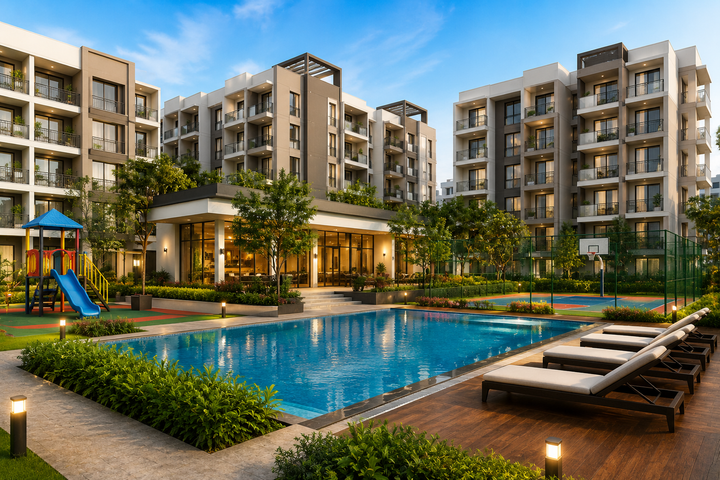
Apartments with Amenities: Features, Benefits and Modern Living Insights
Apartments have evolved far beyond simple residential spaces. Today, many apartment communities include a wide range of amenities designed to enhance comfort, convenience, recreation, wellness, and daily living experiences.
From fitness centers and coworking spaces to smart security systems and community lounges, amenities have become an important factor for individuals and families when selecting a place to live.
As urban populations continue to grow and lifestyles become increasingly dynamic, apartment amenities help address modern living needs. They can support work-from-home arrangements, encourage healthy lifestyles, improve safety, and create opportunities for social interaction. Understanding different apartment amenities can help prospective residents evaluate housing options and identify features that align with their priorities.
Quick Overview
| Aspect | Description |
|---|---|
| Definition | Additional facilities and features provided within apartment communities |
| Purpose | Improve convenience, comfort, security, and lifestyle |
| Common Amenities | Fitness centers, pools, parking, security systems, lounges |
| Users | Individuals, families, professionals, students, and retirees |
| Benefits | Enhanced living experience, accessibility, and community engagement |
| Modern Trends | Smart technology, sustainability, coworking spaces, wellness facilities |
| Importance | Influences residential satisfaction and quality of life |
Industry Overview
The apartment housing sector has undergone significant transformation over the past few decades. Developers increasingly recognize that residents seek more than just living space. Amenities have become a central component of residential planning and community development.
In modern residential markets, amenities often serve multiple purposes:
- Supporting diverse lifestyles
- Enhancing resident satisfaction
- Encouraging community interaction
- Improving property functionality
- Addressing changing work and wellness needs
Urban developments, mixed-use communities, and residential complexes frequently incorporate extensive amenity packages to meet evolving expectations.
How Apartment Amenities Work
Apartment amenities function as shared or individual facilities available to residents within a residential community.
Step 1: Planning and Development
Developers assess resident needs and market trends before selecting amenities.
Step 2: Infrastructure Integration
Facilities such as gyms, recreational areas, security systems, and parking structures are incorporated into the property design.
Step 3: Resident Access
Residents gain access through community policies, access cards, mobile applications, or management systems.
Step 4: Ongoing Management
Property managers oversee maintenance, scheduling, and operational efficiency.
Step 5: Continuous Improvement
Communities periodically upgrade amenities based on resident feedback and emerging trends.
Main Types of Apartment Amenities
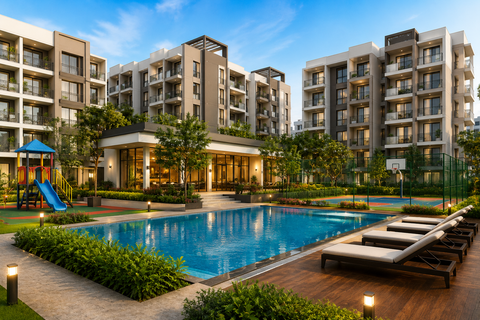
Recreational Amenities
Definition
Facilities designed for leisure and entertainment.
Features
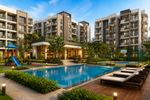
- Swimming pools
- Clubhouses
- Game rooms
- Sports courts
Applications
- Recreation
- Social events
- Family activities
Advantages
- Encourages community interaction
- Supports active lifestyles
Limitations
- Maintenance requirements
- Usage restrictions during peak periods
Fitness and Wellness Amenities
Definition
Facilities focused on health and physical well-being.
Features
- Fitness centers
- Yoga studios
- Walking trails
- Wellness rooms
Applications
- Exercise
- Personal wellness programs
Advantages
- Convenient access to fitness resources
- Supports healthy habits
Limitations
- Equipment maintenance needs
- Space constraints
Security Amenities
Definition
Systems designed to enhance resident safety.
Features
- Access control systems
- Security personnel
- Surveillance cameras
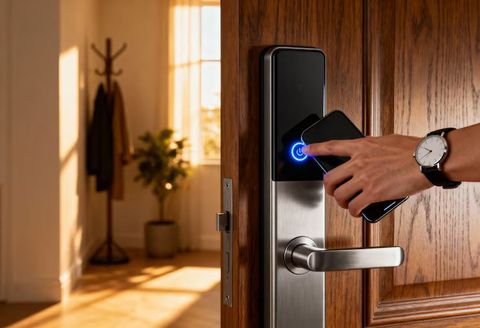
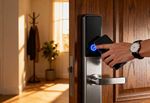
- Smart locks
Applications
- Resident protection
- Visitor management
Advantages
- Increased peace of mind
- Improved access management
Limitations
- Technology upkeep
- Operational expenses
Convenience Amenities
Definition
Facilities that simplify daily routines.
Features
- Parking areas
- Package lockers
- Laundry facilities
- Storage spaces
Applications
- Everyday household activities
Advantages
- Saves time
- Improves efficiency
Limitations
- Capacity limitations
- Shared usage challenges
Technology-Oriented Amenities
Definition
Digital features integrated into apartment communities.
Features
- Smart home systems
- High-speed internet infrastructure
- Mobile resident applications
- Digital access systems
Applications
- Remote work
- Home automation
Advantages
- Greater convenience
- Enhanced connectivity
Limitations
- Technology upgrades required over time
Core Components of Apartment Amenities
Several key elements contribute to successful amenity programs:
Physical Infrastructure
- Buildings
- Outdoor spaces
- Recreational facilities
Technology Systems
- Access control platforms
- Smart monitoring tools
- Resident communication systems
Maintenance Operations
- Cleaning schedules
- Equipment servicing
- Safety inspections
Community Management
- Event coordination
- Facility scheduling
- Resident support
Comparison Table: Traditional vs Modern Apartment Amenities
| Feature | Traditional Apartments | Modern Amenity-Rich Apartments |
| Parking | Basic parking areas | Structured parking with access control |
| Fitness | Limited or unavailable | Fully equipped fitness centers |
| Security | Basic entry systems | Smart access and surveillance |
| Internet Support | Standard connectivity | High-speed digital infrastructure |
| Community Spaces | Minimal common areas | Lounges, coworking areas, event spaces |
| Package Handling | Manual collection | Smart lockers and automated systems |
| Sustainability | Limited focus | Energy-efficient systems and green spaces |
| Resident Experience | Functional living | Lifestyle-focused environment |
Real-World Applications
Residential Communities
Apartment amenities improve resident satisfaction and support everyday activities.
Student Housing
Amenities such as study rooms, internet access, and collaborative spaces support academic needs.
Senior Living Communities
Wellness facilities, accessibility features, and recreational programs promote quality of life.
Mixed-Use Developments
Integrated residential and commercial environments benefit from shared amenities.
Urban Housing Projects
Amenities help maximize comfort and convenience within dense urban environments.
Real-World Examples
Remote Working Professionals
A resident may use coworking lounges and high-speed connectivity for daily work activities without commuting.
Families
Families often utilize playgrounds, recreational spaces, and community event areas.
Fitness-Oriented Residents
Individuals can access gyms, jogging tracks, and wellness facilities within the property.
Smart Living Communities
Residents use mobile applications to control access, receive notifications, and manage facility reservations.
Key Features of Modern Apartments with Amenities
Community Spaces
Shared lounges and gathering areas encourage social interaction.
Smart Security
Digital access systems improve safety and convenience.
Wellness Facilities
Fitness centers and wellness programs support healthier lifestyles.
Outdoor Recreation
Gardens, walking paths, and recreational areas enhance living environments.
Digital Connectivity
Reliable internet infrastructure supports education, entertainment, and remote work.
Sustainable Design
Energy-efficient systems help optimize resource usage.
Benefits of Apartments with Amenities
Operational Benefits
- Centralized facility management
- Organized community operations
Performance Benefits
- Improved resident experience
- Better utilization of shared resources
Efficiency Benefits
- Reduced travel for daily activities
- Convenient access to facilities
User Benefits
- Enhanced comfort
- Improved convenience
- Greater lifestyle flexibility
Long-Term Advantages
- Adaptability to changing lifestyle needs
- Increased community engagement
- Improved residential satisfaction
Challenges and Limitations
Despite their advantages, amenity-rich apartments may face certain challenges.
Maintenance Requirements
Facilities require regular upkeep and inspections.
Capacity Constraints
Popular amenities may experience high demand.
Technology Updates
Digital systems require periodic modernization.
Usage Policies
Communities may establish rules to ensure fair access.
Operational Complexity
Managing multiple facilities can be resource intensive.
Selection Factors
When evaluating apartments with amenities, consider:
- Personal lifestyle requirements
- Accessibility needs
- Security features
- Fitness and wellness options
- Parking availability
- Technology infrastructure
- Community environment
- Maintenance standards
- Sustainability initiatives
- Long-term convenience
Standards, Regulations, and Best Practices
Apartment communities often follow various standards and practices, including:
- Building safety regulations
- Fire safety requirements
- Accessibility guidelines
- Environmental sustainability practices
- Health and sanitation procedures
- Security management protocols
Property operators typically conduct regular inspections to maintain compliance and safety.
Maintenance, Management, and Optimization
Effective amenity management involves:
Preventive Maintenance
Regular servicing helps reduce downtime.
Resident Feedback Programs
Feedback identifies improvement opportunities.
Facility Monitoring
Monitoring systems track performance and usage.
Technology Upgrades
Periodic modernization improves functionality.
Resource Management
Efficient scheduling helps maximize availability.
Emerging Technologies and Innovations
Modern apartment communities increasingly incorporate advanced technologies.
Artificial Intelligence
AI-assisted systems support predictive maintenance and operational efficiency.
Smart Home Integration
Connected devices enable automation and remote control.
Digital Access Platforms
Mobile applications streamline entry and facility management.
Data Analytics
Usage analytics help optimize facility planning.
Energy Management Systems
Smart monitoring improves resource efficiency.
Future Trends
Several trends are shaping the future of apartment amenities.
Wellness-Centered Design
Communities are emphasizing physical and mental well-being.
Flexible Workspaces
Demand for coworking environments continues to grow.
Smart Building Technologies
Connected systems are becoming more common.
Sustainable Communities
Environmental responsibility remains a major focus.
Personalized Resident Experiences
Digital platforms may provide more customized services and communications.
Multi-Functional Spaces
Shared spaces are increasingly designed to support multiple activities.
Expert Insights
Apartment amenities have become a significant component of modern residential living. They influence daily convenience, wellness, security, and community engagement. As technology advances and resident expectations evolve, amenities continue to shift from optional extras to important elements of residential planning.
Future developments are likely to emphasize sustainability, digital connectivity, flexible spaces, and wellness-focused design. Understanding available amenities allows residents to make informed housing decisions that align with their personal and professional lifestyles.
Frequently Asked Questions
1. What are apartment amenities?
Apartment amenities are facilities, features, and services provided within a residential community to improve convenience and quality of life.
2. Why are amenities important?
They enhance comfort, support daily activities, and contribute to overall resident satisfaction.
3. What are common apartment amenities?
Common examples include fitness centers, swimming pools, parking, security systems, lounges, and outdoor recreation areas.
4. Are amenities available to all residents?
Availability depends on community policies and resident access arrangements.
5. What are smart apartment amenities?
These include digital access systems, smart home controls, mobile applications, and connected building technologies.
6. How do amenities support remote work?
Coworking spaces, business centers, and reliable connectivity help residents work efficiently from home.
7. Do apartment amenities require maintenance?
Yes. Regular maintenance is necessary to ensure safety, functionality, and cleanliness.
8. What amenities are useful for families?
Playgrounds, community rooms, recreational areas, and secure outdoor spaces are often beneficial.
9. How do wellness amenities help residents?
They provide convenient access to fitness and health-related facilities.
10. What role does security play in apartment amenities?
Security features help protect residents and improve access management.
11. Are sustainable amenities becoming more common?
Yes. Energy-efficient systems and environmentally conscious designs are increasingly incorporated into residential developments.
12. How can residents evaluate amenities?
Residents should consider lifestyle needs, accessibility, maintenance quality, and long-term usefulness.
13. What is a coworking amenity?
A coworking amenity is a shared workspace within a residential community designed for study or professional activities.
14. Can amenities improve community engagement?
Yes. Shared facilities often encourage social interaction and participation in community events.
15. What future developments are expected?
Greater adoption of smart technologies, sustainability initiatives, wellness programs, and flexible living environments.
Key Takeaways
- Apartment amenities enhance modern residential living.
- Amenities support convenience, wellness, and security.
- Recreational facilities encourage active lifestyles.
- Smart technologies are becoming increasingly important.
- Shared spaces promote community engagement.
- Maintenance is essential for long-term performance.
- Wellness-focused amenities continue to expand.
- Sustainable features are gaining attention.
- Digital connectivity supports remote work and education.
- Selection should align with personal lifestyle needs.
- Modern amenities influence residential satisfaction.
- Future developments will emphasize flexibility and smart living.
Conclusion
Apartments with amenities play an increasingly important role in modern housing. They provide residents with convenient access to facilities that support health, productivity, recreation, security, and social interaction. From fitness centers and coworking spaces to smart technologies and sustainable infrastructure, amenities contribute significantly to the overall living experience.
As residential communities continue to evolve, amenities are expected to become more integrated, technology-driven, and resident-focused. Understanding the different types, benefits, limitations, and future trends associated with apartment amenities enables individuals and families to make informed housing decisions and select environments that support their long-term needs and lifestyle goals.