Electromagnetic Linear Actuators Explained: Precision Motion Control
Electromagnetic linear actuators are motion-control devices that generate straight-line movement using electromagnetic force instead of traditional rotary mechanisms.
These systems are widely used in industrial automation, robotics, aerospace engineering, medical equipment, semiconductor manufacturing, and precision positioning applications where controlled linear motion is required.
Modern electromagnetic actuator technology combines linear motors, motion controllers, position sensors, power electronics, and industrial automation systems to deliver accurate and repeatable movement. As manufacturing and automation technologies continue to advance, electromagnetic linear actuators are becoming increasingly important in applications requiring speed, precision, and programmable control.
Electromagnetic Linear Actuators at a Glance
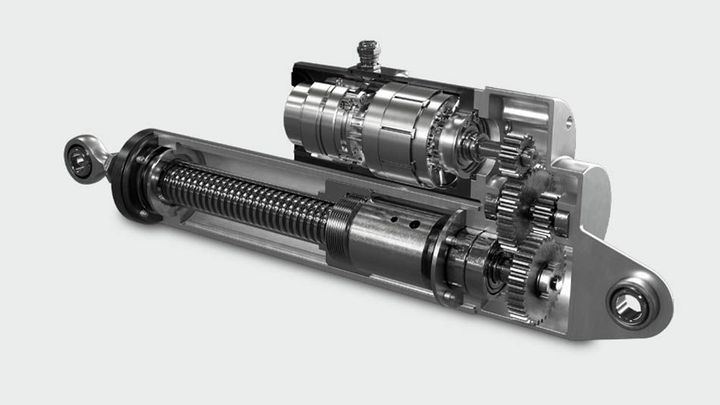
An electromagnetic linear actuator converts electrical energy directly into linear motion through electromagnetic interaction. Unlike conventional motor systems that convert rotary motion into linear movement through screws, belts, or gears, electromagnetic actuators generate movement directly along a straight path. These systems are commonly used in precision manufacturing, automated equipment, robotics, medical devices, and high-performance industrial applications.
Key Industry Facts
- Electromagnetic actuators generate direct linear motion.
- Linear motor technology eliminates many mechanical transmission components.
- High-precision positioning is possible through advanced motion control.
- Industrial automation systems frequently integrate electromagnetic actuators.
- Semiconductor manufacturing often relies on precision linear motion systems.
- Modern designs support high-speed positioning and repeatability.
- Position feedback systems improve motion accuracy and control.
How Electromagnetic Linear Actuators Work
Electromagnetic actuators operate using magnetic fields generated by electric current.
Basic Operating Process
- Electrical power is supplied to the actuator.
- Magnetic fields are generated within the system.
- Electromagnetic interaction creates linear force.
- The moving element travels along a guided path.
- Sensors monitor position and movement.
- Controllers adjust motion parameters.
- Desired positioning or movement is achieved.
This direct-drive approach can reduce the need for mechanical conversion mechanisms.
Main Types of Electromagnetic Linear Actuators
Linear Motor Actuators
Linear motors generate direct motion through electromagnetic force without requiring rotary-to-linear conversion.
Common applications include:
- Precision manufacturing
- Semiconductor equipment
- Automated inspection systems
- Robotics
Voice Coil Actuators
Voice coil actuators provide highly responsive short-stroke motion.
They are frequently used in:
- Medical devices
- Optical systems
- Precision positioning equipment
- Laboratory instruments
Solenoid Actuators
Solenoids generate linear movement through electromagnetic attraction or repulsion.
Typical applications include:
- Industrial controls
- Valve actuation
- Locking mechanisms
- Switching systems
Tubular Linear Actuators
Tubular designs use cylindrical configurations that provide compact construction and efficient force generation.
Comparison of Electromagnetic Actuator Types
| Actuator Type | Motion Range | Precision Level | Typical Application |
|---|---|---|---|
| Linear Motor | Long Travel | Very High | Automation Systems |
| Voice Coil | Short Travel | Extremely High | Precision Equipment |
| Solenoid | Short Travel | Moderate | Industrial Controls |
| Tubular Linear | Medium Travel | High | Automated Machinery |
Core Components
Electromagnetic Coil
The coil generates magnetic fields when electrical current flows through it.
Permanent Magnets
Magnets interact with electromagnetic fields to create motion.
Motion Controller
Controllers regulate speed, acceleration, positioning, and operational parameters.
Position Sensors
Sensors provide real-time feedback regarding actuator location and movement.
Linear Guide System
Guide systems maintain alignment and support controlled motion.
Power Electronics
Drive electronics manage current flow and actuator operation.
Industrial Applications
Industrial Automation
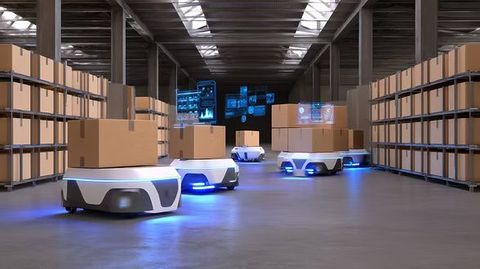
Automated manufacturing equipment frequently uses electromagnetic linear actuators for positioning, assembly, and material handling.
Robotics
Robotic systems utilize precision linear motion for assembly, inspection, and handling tasks.
Semiconductor Manufacturing
Semiconductor production often requires highly accurate positioning systems capable of micron-level movement.
Medical Equipment
Medical devices use linear actuators in imaging systems, laboratory automation, and precision instrumentation.
Aerospace Systems
Aircraft and aerospace technologies employ electromagnetic actuators for positioning and control functions.
Packaging Equipment
Automated packaging systems benefit from high-speed and repeatable linear movement.
Selection Factors
Required Force
Applications should determine the force output necessary for reliable operation.
Travel Distance
The required stroke length influences actuator selection.
Positioning Accuracy
Precision requirements vary significantly among industrial applications.
Speed Requirements
Different applications demand different movement profiles.
Duty Cycle
Continuous and intermittent operation may require different actuator designs.
Environmental Conditions
Temperature, vibration, contamination, and humidity should be considered.
Benefits
- Direct linear motion generation
- High positioning accuracy
- Reduced mechanical complexity
- Fast response times
- Programmable motion control
- High repeatability
- Smooth motion characteristics
- Integration with automation systems
- Reduced backlash compared to mechanical conversions
- Suitable for advanced manufacturing environments
Challenges and Limitations
Higher Initial Complexity
Advanced motion-control systems may require specialized integration.
Power Requirements
Some high-performance actuators require significant electrical power.
Thermal Management
Heat generation may require cooling solutions in demanding applications.
Control System Requirements
Precision performance often depends on sophisticated control systems.
Environmental Protection
Certain industrial environments may require additional protection measures.
Industry Standards and Compliance
Electromagnetic actuator systems are often designed to align with applicable industrial, electrical, and safety standards.
Areas commonly addressed include:
- Electrical safety
- Electromagnetic compatibility
- Industrial automation requirements
- Machine safety practices
- Equipment reliability testing
- Environmental performance requirements
Specific standards depend on industry and application requirements.
Safety Considerations
Safe operation involves several important practices.
- Proper electrical installation
- Routine equipment inspection
- Motion control safety systems
- Emergency stop integration
- Sensor verification
- Operator training
- Protective guarding where required
- Thermal monitoring
- Maintenance procedures
Safety planning should account for both electrical and mechanical risks.
Latest Technology Trends
Smart Motion Control
Advanced controllers provide greater precision and automation capabilities.
Predictive Maintenance
Sensor-based monitoring helps identify developing equipment issues.
Industrial IoT Integration
Connected systems enable real-time monitoring and diagnostics.
AI-Assisted Motion Optimization
Machine learning technologies are being explored for motion tuning and performance improvements.
Energy-Efficient Designs
Manufacturers continue developing more efficient actuator technologies.
Expert Insights
Electromagnetic linear actuators are increasingly replacing traditional motion systems in applications where precision, speed, and repeatability are critical. Their ability to generate direct linear movement while integrating seamlessly with modern automation platforms makes them valuable components in advanced manufacturing and motion-control environments.
Key Takeaways
- Electromagnetic linear actuators generate direct linear motion.
- Linear motors eliminate many mechanical transmission components.
- Precision positioning is a major advantage.
- Industrial automation heavily relies on linear motion technology.
- Semiconductor and medical industries are major users.
- Sensor feedback improves accuracy and repeatability.
- Smart control systems are expanding actuator capabilities.
- Future developments focus on connectivity and efficiency.
Frequently Asked Questions
What is an electromagnetic linear actuator?
An electromagnetic linear actuator is a device that converts electrical energy directly into controlled linear motion using electromagnetic force.
How does an electromagnetic actuator work?
It generates magnetic fields through electrical current, creating force that moves a component along a straight path.
What industries use electromagnetic linear actuators?
Industrial automation, robotics, semiconductor manufacturing, aerospace, medical technology, and packaging industries commonly use them.
What is the difference between a linear motor and a traditional actuator?
A linear motor generates direct linear motion, while traditional systems often convert rotary motion into linear movement using mechanical components.
Why are position sensors important?
Position sensors provide feedback that helps controllers maintain accurate and repeatable movement.
What are voice coil actuators?
Voice coil actuators are electromagnetic devices designed for highly precise short-stroke motion applications.
Can electromagnetic actuators support automation systems?
Yes. They are widely integrated into automated manufacturing and industrial control systems.
What factors should be considered when selecting an actuator?
Force requirements, travel distance, speed, positioning accuracy, environmental conditions, and duty cycle should be evaluated.
Are electromagnetic actuators suitable for precision applications?
Yes. Many designs are specifically engineered for high-precision positioning and motion control.
What technology trends are influencing actuator development?
Smart motion control, Industrial IoT connectivity, predictive maintenance, AI-assisted optimization, and energy-efficient designs are major trends.
Conclusion
Electromagnetic linear actuators play an important role in modern motion-control technology by providing direct, precise, and programmable linear movement. Their applications span industrial automation, robotics, semiconductor manufacturing, medical equipment, aerospace systems, and many other advanced industries.
As automation technologies continue evolving, electromagnetic actuator systems are becoming more intelligent, connected, and efficient. Understanding actuator types, operating principles, applications, benefits, and selection considerations helps organizations evaluate these systems for current and future motion-control requirements.