Telehealth Technology: Complete Virtual Care Systems Guide
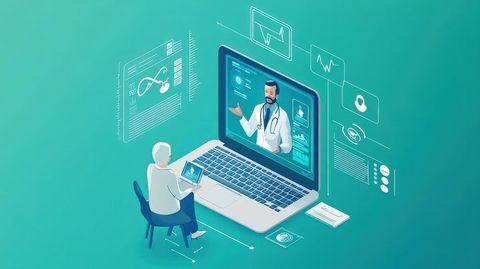
Telehealth technology refers to digital systems that enable healthcare delivery, monitoring, consultation, education, and communication when patients and healthcare professionals are in different locations.
These systems combine telecommunications, software platforms, connected medical devices, and secure data exchange to support remote healthcare services.
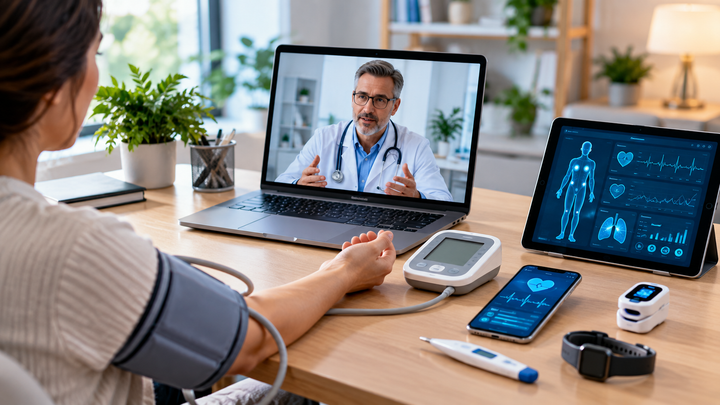
Telehealth has expanded beyond video consultations and now includes remote patient monitoring, virtual specialty care, digital diagnostics, mobile health applications, and integrated healthcare communication platforms used across hospitals, clinics, and home-care environments.
Quick Facts About Telehealth Technology
| Feature | Description |
|---|---|
| Primary Purpose | Deliver healthcare remotely through digital technologies |
| Main Users | Patients, physicians, nurses, specialists, hospitals |
| Core Technologies | Video communication, cloud platforms, connected devices |
| Care Models | Real-time, asynchronous, and remote monitoring |
| Common Applications | Consultations, chronic disease management, follow-up care |
| Connectivity | Internet, cellular, wireless networks |
| Key Benefit | Improved healthcare accessibility |
| Data Types | Medical records, images, vital signs, patient reports |
What Is Telehealth Technology?
Telehealth technology is the collection of digital tools, communication systems, software platforms, and connected healthcare devices used to provide medical services without requiring patients and clinicians to be in the same physical location.
Modern telehealth environments support clinical consultations, patient education, prescription management, diagnostic review, chronic disease monitoring, and multidisciplinary collaboration. Telehealth is used by healthcare organizations to extend care beyond hospitals and clinics while maintaining communication and continuity of care.
Unlike a simple video call, a complete telehealth system often integrates electronic health records, scheduling tools, secure messaging, medical imaging access, and remote monitoring technologies into a unified workflow.
Why Telehealth Technology Matters
Healthcare systems often face challenges related to geographic access, specialist availability, transportation barriers, and ongoing management of chronic conditions. Telehealth technology helps address these challenges by enabling healthcare services to be delivered remotely.
Benefits include:
- Expanded access to healthcare professionals
- Improved continuity of care
- Reduced travel requirements for patients
- Faster specialist consultations
- Better chronic disease monitoring
- Enhanced patient engagement
- Support for rural and underserved communities
- More flexible healthcare delivery models
Telehealth also allows healthcare providers to maintain communication with patients between in-person visits, improving care coordination and long-term treatment management.
Understanding the Telehealth Technology Concept
Simple Explanation
A telehealth system works like a digital healthcare environment where patients and providers communicate through secure technology platforms. Patients can schedule appointments, attend virtual consultations, share health information, receive care recommendations, and sometimes transmit medical measurements from home.
Instead of requiring every healthcare interaction to occur in a clinic, telehealth allows many services to be delivered through secure digital channels while maintaining clinical oversight and documentation.
How Telehealth Technology Works
Patient Registration
Patients create accounts, provide health information, and complete scheduling requirements through digital healthcare platforms.
Appointment Scheduling
The telehealth system manages appointment bookings, reminders, provider availability, and patient notifications.
Secure Communication
Patients and healthcare professionals connect through encrypted video, audio, messaging, or digital consultation tools.
Clinical Evaluation
Healthcare providers review symptoms, medical history, laboratory results, images, and other relevant information during the consultation.
Care Planning
Treatment recommendations, follow-up instructions, referrals, and care plans are documented and communicated to the patient.
Data Collection and Monitoring
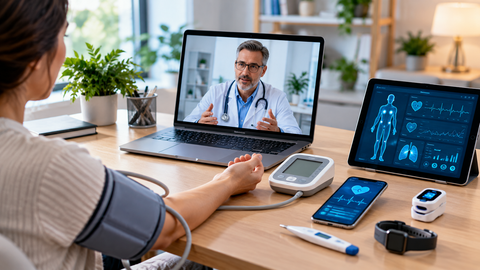
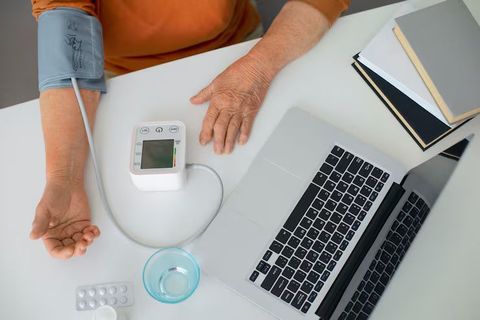
Connected medical devices may collect health measurements that are transmitted to healthcare providers for ongoing evaluation.
Documentation and Records Management
Clinical information is stored within healthcare information systems to support continuity of care and future treatment decisions.
Telehealth Technology Workflow Table
| Workflow Stage | Function |
|---|---|
| Registration | Patient onboarding |
| Scheduling | Appointment management |
| Communication | Secure interaction |
| Assessment | Clinical evaluation |
| Diagnosis Support | Review of patient data |
| Care Planning | Treatment recommendations |
| Monitoring | Ongoing health tracking |
| Documentation | Medical record updates |
Telehealth Technology Architecture
Patient Access Layer
This layer includes patient portals, mobile applications, web interfaces, and communication tools that allow individuals to access healthcare services remotely.
Communication Infrastructure
Secure video conferencing, messaging systems, voice communication platforms, and network services support real-time and asynchronous interactions.
Clinical Applications Layer
Healthcare professionals use clinical dashboards, consultation platforms, workflow systems, and care management tools.
Electronic Health Record Integration
Telehealth systems often connect with electronic health records to provide access to patient histories, medications, allergies, and clinical documentation.
Remote Monitoring Layer
Connected medical devices collect physiological measurements and transmit data for clinical review.
Security and Compliance Layer
Authentication, encryption, access controls, audit logging, and privacy management help protect healthcare information.
Main Components of Telehealth Technology
| Component | Purpose |
|---|---|
| Video Consultation Platform | Virtual appointments |
| Patient Portal | Patient communication and access |
| Mobile Health Applications | Healthcare access through smartphones |
| Electronic Health Records | Clinical documentation |
| Remote Monitoring Devices | Health data collection |
| Secure Messaging Systems | Communication between patients and providers |
| Scheduling Software | Appointment coordination |
| Analytics Platforms | Operational and clinical insights |
Types of Telehealth Technology
Synchronous Telehealth
Real-time communication between healthcare providers and patients.
Advantages:
- Immediate interaction
- Real-time assessment
- Faster clinical decisions
Asynchronous Telehealth
Healthcare information is collected and reviewed later rather than during a live interaction.
Advantages:
- Flexible scheduling
- Efficient specialist review
- Reduced waiting times
Remote Patient Monitoring
Connected devices continuously or periodically collect patient health information.
Advantages:
- Ongoing observation
- Early detection of changes
- Better chronic condition management
Mobile Health Technology
Healthcare services delivered through smartphones, tablets, and mobile applications.
Advantages:
- Convenient access
- Patient engagement
- Health education support
Telehealth Technology Type Comparison
| Type | Communication Style | Typical Use |
|---|---|---|
| Synchronous | Real-time | Virtual consultations |
| Asynchronous | Delayed review | Specialist evaluation |
| Remote Monitoring | Continuous or scheduled | Chronic disease management |
| Mobile Health | App-based access | Self-management and engagement |
Telehealth Technology Requirements
Successful telehealth implementation typically requires:
- Reliable internet connectivity
- Secure communication infrastructure
- Electronic health record integration
- Privacy and security controls
- User authentication systems
- Clinical workflow support
- Compatible devices and software
- Staff training programs
- Regulatory compliance processes
Healthcare organizations must ensure that both technical and operational requirements support safe and effective care delivery.
Telehealth Technology vs Telemedicine
| Feature | Telehealth | Telemedicine |
|---|---|---|
| Scope | Broad healthcare services | Clinical medical services |
| Education Support | Yes | Limited |
| Administrative Functions | Included | Usually limited |
| Remote Monitoring | Included | Often included |
| Provider Collaboration | Included | Primarily clinical |
| Healthcare Management | Broad focus | Treatment-focused |
Telemedicine is generally considered a subset of telehealth. Telehealth encompasses a wider range of healthcare services, including education, administration, monitoring, and professional collaboration.
Benefits and Advantages of Telehealth Technology
Telehealth technology offers benefits for both patients and healthcare organizations.
Key advantages include:
- Improved healthcare accessibility
- Greater convenience for patients
- Reduced travel burdens
- Better continuity of care
- Expanded specialist access
- Enhanced monitoring capabilities
- Improved patient engagement
- More efficient scheduling
- Support for preventive care
- Increased healthcare flexibility
Healthcare providers can also optimize resource utilization while maintaining communication with larger patient populations.
Industry Applications of Telehealth Technology
Primary Care
Virtual consultations support routine healthcare interactions, follow-up appointments, and non-emergency assessments.
Chronic Disease Management
Telehealth helps monitor long-term conditions such as hypertension, diabetes, respiratory disorders, and cardiovascular diseases.
Mental Health Services
Remote behavioral health consultations allow patients to access counseling and psychiatric support from various locations.
Specialty Care
Specialists can review patient information remotely and collaborate with local healthcare providers.
Home Healthcare
Telehealth supports care delivery for patients receiving treatment in residential settings.
Rehabilitation Services
Virtual rehabilitation programs enable remote supervision of therapy and recovery activities.
Industry Applications Table
| Healthcare Area | Typical Application |
|---|---|
| Primary Care | Routine consultations |
| Mental Health | Counseling and therapy |
| Cardiology | Remote monitoring |
| Endocrinology | Chronic disease management |
| Home Care | Ongoing patient support |
| Rehabilitation | Virtual therapy programs |
| Specialty Medicine | Remote expert consultations |
Industry Standards and Safety
Telehealth systems must support patient privacy, data security, and healthcare information management.
Widely recognized standards and frameworks include:
- HIPAA for healthcare information privacy and security in the United States
- HL7 healthcare data exchange standards
- FHIR interoperability framework for healthcare information sharing
- DICOM standards for medical imaging communication
- ISO 27001 information security management practices
Healthcare organizations should ensure that telehealth services operate within applicable legal, privacy, clinical, and regulatory requirements.
Common Telehealth Technology Challenges and Solutions
| Challenge | Practical Solution |
|---|---|
| Limited internet access | Alternative communication methods |
| Technology adoption barriers | User training and support |
| Interoperability issues | Standardized integration approaches |
| Data privacy concerns | Strong security controls |
| Device compatibility problems | Platform testing and validation |
| Clinical workflow disruption | Process redesign and training |
| Patient engagement difficulties | Simplified user experiences |
| Technical failures | Redundant communication options |
How to Choose Telehealth Technology
| Selection Factor | Evaluation Criteria |
|---|---|
| Security | Encryption and access controls |
| Integration | Compatibility with existing systems |
| Scalability | Support for future growth |
| User Experience | Ease of use |
| Monitoring Features | Device connectivity options |
| Compliance Support | Regulatory requirements |
| Reliability | Platform stability |
| Reporting Tools | Analytics and documentation capabilities |
Healthcare organizations should align technology selection with clinical goals, patient needs, infrastructure capabilities, and operational requirements.
Maintenance Best Practices for Telehealth Technology
Regular maintenance helps maintain system performance, security, and reliability.
Recommended practices include:
- Updating software and applications
- Monitoring network performance
- Reviewing access permissions
- Testing communication systems
- Validating device connectivity
- Performing security assessments
- Backing up critical data
- Maintaining documentation
- Training healthcare personnel
Healthcare providers should establish formal maintenance procedures and incident response processes.
Limitations of Telehealth Technology
Telehealth technology does not replace every type of healthcare interaction.
Limitations may include:
- Inability to perform certain physical examinations remotely
- Dependence on internet connectivity
- Variable technology literacy among users
- Device compatibility challenges
- Potential communication barriers
- Limited suitability for emergency situations
- Regulatory differences across jurisdictions
Patients experiencing urgent or emergency medical conditions should seek immediate professional medical assistance rather than relying solely on remote services.
Future Trends in Telehealth Technology
Telehealth systems continue to evolve alongside healthcare digitization efforts.
Emerging developments include:
- Expanded remote patient monitoring programs
- Greater interoperability between healthcare systems
- Enhanced virtual care workflows
- Advanced clinical decision-support tools
- Improved wearable device integration
- More sophisticated patient engagement platforms
- Broader adoption of home-based healthcare technologies
Future advancements are expected to focus on improving accessibility, usability, integration, and care coordination.
Frequently Asked Questions About Telehealth Technology
What is telehealth technology?
Telehealth technology consists of digital systems that enable healthcare delivery, communication, monitoring, and clinical services when patients and providers are located in different places.
Is telehealth the same as telemedicine?
No. Telemedicine focuses primarily on clinical medical services, while telehealth includes a broader range of healthcare activities such as education, monitoring, administration, and provider collaboration.
What equipment is needed for telehealth?
Requirements vary by application but often include internet access, a computer or mobile device, communication software, and in some cases connected medical devices.
Can telehealth be used for chronic disease management?
Yes. Remote patient monitoring and virtual follow-up appointments are commonly used to support long-term management of chronic health conditions.
Are telehealth consultations secure?
Modern telehealth platforms typically use encryption, authentication, and access controls to protect patient information and communications.
What industries use telehealth technology?
Telehealth is used across hospitals, clinics, behavioral health services, rehabilitation programs, home healthcare organizations, and specialty medical practices.
Can telehealth replace all in-person healthcare visits?
No. Certain examinations, procedures, diagnostic tests, and emergency situations still require in-person medical care.
What is remote patient monitoring?
Remote patient monitoring involves collecting health information through connected devices and transmitting it to healthcare providers for evaluation.
Why is interoperability important in telehealth?
Interoperability allows healthcare systems and applications to exchange information efficiently, supporting coordinated care and better clinical workflows.
How do telehealth platforms integrate with health records?
Many telehealth systems connect with electronic health record platforms, allowing clinicians to access patient information, document visits, and coordinate care.
Conclusion
Telehealth technology has evolved into a comprehensive virtual care ecosystem that supports healthcare delivery beyond traditional clinical settings. Through secure communication platforms, connected medical devices, electronic health record integration, and remote monitoring capabilities, telehealth enables accessible and coordinated care across a wide range of healthcare environments. While it cannot replace every in-person interaction, it remains an important component of modern healthcare systems and future digital care strategies.