Solar-Powered Tourist Buses: Technologies, Benefits and Industry Insights
Solar-powered tourist buses represent an innovative approach to sustainable transportation.
These vehicles combine solar energy technologies with modern electric mobility systems to reduce dependence on conventional fuel sources while supporting environmentally responsible tourism.
As cities, tourist destinations, and transportation operators explore cleaner mobility options, solar-powered buses are attracting attention for their ability to supplement vehicle power requirements through renewable energy. While solar panels alone may not provide all the energy needed for large passenger vehicles, they can contribute to battery charging, onboard systems, and energy efficiency improvements.
Understanding how solar-powered tourist buses work, their advantages, limitations, and future potential helps explain their growing role in modern tourism and smart transportation networks.
Quick Facts Table
| Topic | Purpose | Key Technologies | Main Benefits | Common Applications |
|---|---|---|---|---|
| Solar-Powered Tourist Buses | Support sustainable passenger transportation using solar energy and electric mobility technologies | Solar Panels, Electric Batteries, Energy Management Systems, Electric Motors, Smart Monitoring Platforms | Reduced emissions, improved energy efficiency, quieter operation | Tourism routes, city sightseeing, eco-tourism destinations, smart cities |
What Are Solar-Powered Tourist Buses?
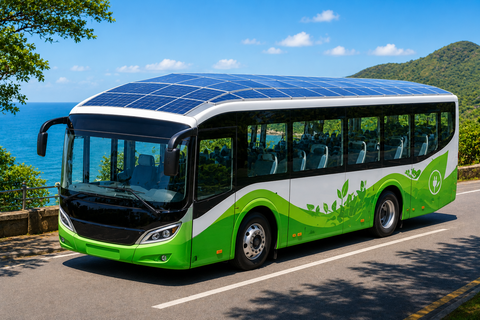
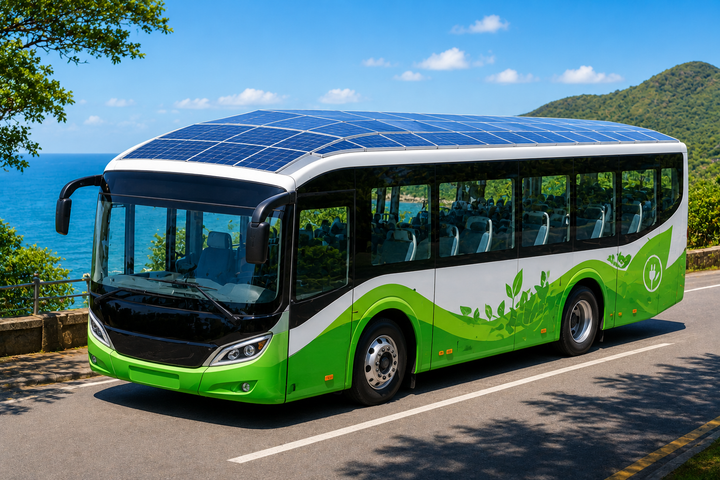
Solar-powered tourist buses are passenger transportation vehicles that utilize solar energy technologies alongside electric propulsion systems. Solar panels installed on the roof or other vehicle surfaces capture sunlight and convert it into electrical energy.
The collected energy can support battery charging, onboard electrical systems, lighting, air conditioning assistance, information displays, and other operational functions. Most modern designs combine solar power with battery-electric technology to maximize efficiency and operational flexibility.
Why Are Solar-Powered Tourist Buses Important?
Tourism transportation often involves frequent routes, urban sightseeing operations, and visits to environmentally sensitive destinations. Sustainable transportation technologies help reduce environmental impacts while supporting cleaner mobility solutions.
Solar-powered buses contribute to:
- Reduced transportation emissions
- Improved energy efficiency
- Cleaner urban transportation
- Sustainable tourism initiatives
- Reduced dependence on conventional fuels
- Support for renewable energy adoption
- Improved environmental awareness
- Quieter passenger experiences
Solar-Powered Tourist Bus Facts
- Electric bus adoption continues to expand globally.
- Solar energy technologies are becoming more efficient.
- Smart transportation systems are increasingly integrated into tourism networks.
- Battery technology improvements support longer operating ranges.
- Sustainable tourism initiatives continue to grow worldwide.
- Renewable energy solutions are becoming more common in transportation infrastructure.
Understanding the Concept
Solar-powered tourist buses combine renewable energy generation with electric transportation technologies. Instead of relying solely on external charging infrastructure, these vehicles can utilize sunlight to supplement their energy needs.
The solar panels generate electricity whenever sufficient sunlight is available. This energy is managed through intelligent energy management systems and stored in batteries for later use. The stored energy powers electric motors and onboard vehicle systems.
This combination creates a more energy-efficient transportation solution while supporting broader sustainability goals.
Major Technologies Used in Solar-Powered Tourist Buses
- Solar Photovoltaic Panels
- Electric Battery Systems
- Electric Drive Motors
- Energy Management Systems
- Smart Monitoring Technologies
- Battery Management Systems
- Regenerative Braking Systems
- Vehicle Telematics Platforms
- Charging Infrastructure
- Advanced Power Electronics
- Lightweight Vehicle Materials
- Intelligent Route Optimization Tools
Technology Categories Table
| Technology Category | Examples |
|---|---|
| Solar Energy Systems | Photovoltaic Panels, Solar Controllers |
| Energy Storage Systems | Lithium-Ion Batteries, Battery Packs |
| Propulsion Systems | Electric Motors, Drive Controllers |
| Energy Management Systems | Battery Monitoring Platforms |
| Vehicle Intelligence Systems | Telematics, Smart Monitoring Technologies |
| Safety Systems | Collision Detection and Monitoring Systems |
Key Features and Core Components
Modern solar-powered tourist buses commonly include:
- Roof-mounted solar panels
- High-capacity battery systems
- Electric propulsion technologies
- Regenerative braking systems
- Energy management platforms
- Smart monitoring systems
- Passenger information displays
- Climate control technologies
- Charging systems
- Connectivity technologies
- Vehicle performance analytics
- Advanced safety technologies
Types of Solar-Powered Tourist Buses
Fully Electric Solar-Assisted Buses
These vehicles primarily operate using battery-electric propulsion while solar panels supplement onboard energy requirements.
Hybrid Solar Buses
Hybrid systems combine multiple energy sources and utilize solar panels to improve energy efficiency.
Sightseeing Solar Tourist Buses
Designed specifically for tourism applications, these buses often operate on fixed routes within cities, parks, or tourist destinations.
Smart Tourism Transport Vehicles
These buses integrate renewable energy technologies with intelligent transportation systems and digital passenger services.
Tourist Bus Comparison Table
| Bus Type | Primary Energy Source | Environmental Impact | Typical Application |
|---|---|---|---|
| Conventional Tourist Bus | Diesel | Higher | General Tourism |
| Electric Tourist Bus | Battery Power | Lower | Urban Tourism |
| Solar-Assisted Tourist Bus | Solar and Battery Power | Lower | Eco-Tourism Routes |
| Hybrid Tourist Bus | Multiple Energy Sources | Moderate | Mixed Operations |
What Is Solar Energy in Transportation?
Solar energy in transportation refers to the use of photovoltaic technology to capture sunlight and convert it into usable electrical energy for vehicle operations.
What Is an Electric Tourist Bus?
An electric tourist bus uses battery-powered electric motors instead of traditional internal combustion engines for propulsion.
What Is a Battery Management System?
A battery management system monitors battery performance, charging conditions, temperature, and overall health to improve operational reliability.
How Do Solar Panels Help Tourist Buses?
Solar panels generate supplemental electricity that can support battery charging and onboard vehicle systems, helping improve energy efficiency.
How Solar-Powered Tourist Buses Work
- Solar panels capture sunlight.
- Photovoltaic cells convert sunlight into electricity.
- Energy management systems regulate electrical output.
- Battery systems store generated energy.
- Electric motors use stored energy for propulsion.
- Regenerative braking recovers energy during deceleration.
- Smart monitoring systems track performance and energy usage.
- Charging infrastructure supplements energy requirements when needed.
Benefits and Advantages
Solar-powered tourist buses provide several practical benefits:
- Reduced transportation emissions
- Improved energy efficiency
- Quieter passenger experience
- Support for sustainable tourism
- Reduced environmental impact
- Improved air quality in urban areas
- Integration with renewable energy initiatives
- Enhanced public awareness of clean transportation
- Lower dependence on conventional fuel sources
- Support for smart city transportation goals
Industry Applications
City Sightseeing Operations
Tourist buses operating on urban sightseeing routes can utilize solar-assisted electric transportation technologies.
Eco-Tourism Destinations
Nature reserves, parks, and environmentally sensitive destinations benefit from lower-impact transportation options.
Smart Cities
Smart city transportation programs increasingly incorporate electric and renewable energy mobility solutions.
Resort Transportation Networks
Large resorts and tourism complexes may use solar-assisted transportation systems for internal passenger movement.
Cultural Heritage Sites
Historic and cultural locations often seek quieter and cleaner transportation alternatives.
Educational Tourism
Universities, museums, and educational destinations can integrate sustainable transportation into visitor experiences.
Real-World Examples and Applications
Example: Urban Sightseeing Route
A city tourism operator uses solar-assisted electric buses to transport visitors between major attractions while reducing environmental impacts.
Example: National Park Transportation
A protected natural area introduces solar-powered tourist buses to minimize emissions and preserve environmental quality.
Example: Resort Shuttle Operations
A tourism resort deploys solar-assisted electric buses to transport guests between accommodations, recreational areas, and visitor facilities.
Important Factors to Consider
Organizations evaluating solar-powered tourist buses should consider:
- Climate conditions
- Solar energy availability
- Battery capacity requirements
- Route characteristics
- Passenger demand
- Charging infrastructure
- Maintenance requirements
- Vehicle weight considerations
- Operational schedules
- Sustainability objectives
Common Challenges and Solutions
| Challenge | Impact | Solution |
|---|---|---|
| Limited Sunlight Availability | Reduced Solar Output | Battery Storage Systems |
| Weather Variability | Energy Fluctuations | Energy Management Systems |
| Battery Capacity Limitations | Reduced Operating Range | Advanced Battery Technologies |
| Infrastructure Requirements | Operational Constraints | Smart Charging Networks |
| Initial Technology Integration | Implementation Complexity | Phased Deployment Strategies |
Sustainable Transportation Best Practices
- Optimize route planning.
- Monitor energy consumption regularly.
- Maintain solar panels properly.
- Track battery performance.
- Utilize regenerative braking effectively.
- Support energy-efficient driving practices.
- Monitor operational analytics.
- Integrate smart transportation technologies.
- Evaluate infrastructure requirements periodically.
- Promote sustainable mobility awareness.
Future Trends and Industry Insights
Several innovations are expected to influence the future of solar-powered tourist buses.
Advanced Solar Panel Technologies
Higher-efficiency solar cells may improve energy generation capabilities.
Improved Battery Systems
Battery technologies continue to evolve with greater energy density and performance.
Smart Transportation Platforms
Connected transportation technologies will improve fleet monitoring and operational optimization.
Artificial Intelligence Integration
AI analytics can help optimize routes, energy consumption, and maintenance planning.
Vehicle-to-Grid Technologies
Future transportation systems may interact more dynamically with energy infrastructure.
Lightweight Vehicle Design
Advanced materials can improve efficiency by reducing vehicle weight.
Autonomous Transportation Features
Emerging automation technologies may support future mobility solutions.
Renewable Energy Ecosystems
Tourism transportation networks may increasingly integrate renewable energy generation and storage technologies.
Expert Insights
Solar-powered tourist buses demonstrate how renewable energy and electric mobility can work together within modern transportation systems. While solar energy currently serves primarily as a supplemental power source for most passenger buses, advancements in photovoltaic efficiency, battery technology, and energy management systems continue to improve performance.
As sustainable tourism, smart city development, and clean transportation initiatives expand, solar-assisted mobility solutions are expected to play an increasingly important role in reducing environmental impacts while enhancing passenger transportation experiences.
Key Takeaways
- Solar-powered tourist buses combine solar energy and electric mobility technologies.
- Solar panels supplement vehicle energy requirements.
- Battery systems store energy for transportation operations.
- Sustainable tourism supports adoption of cleaner transportation options.
- Smart monitoring systems improve operational efficiency.
- Renewable energy integration enhances environmental performance.
- Electric propulsion reduces transportation emissions.
- Future innovations may improve solar transportation capabilities.
Frequently Asked Questions (FAQ)
What is a solar-powered tourist bus?
A solar-powered tourist bus is a passenger vehicle that uses solar energy technologies alongside electric transportation systems.
How do solar panels help tourist buses?
Solar panels generate electricity that can support battery charging and onboard vehicle systems.
Can solar panels power a tourist bus completely?
Most current systems use solar energy as a supplemental power source alongside battery-electric technologies.
What type of batteries are used in electric buses?
Many modern electric buses use advanced lithium-ion battery technologies.
What is regenerative braking?
Regenerative braking recovers energy during braking and stores it for future use.
Are solar-powered buses environmentally friendly?
They support cleaner transportation and reduced emissions compared to many conventional alternatives.
Where are solar-powered tourist buses commonly used?
They are often used in cities, parks, eco-tourism destinations, resorts, and sightseeing operations.
What factors affect solar bus performance?
Sunlight availability, battery capacity, route conditions, weather, and vehicle efficiency all influence performance.
What is a battery management system?
A battery management system monitors battery health, performance, and charging conditions.
How do energy management systems work?
They regulate energy generation, storage, and consumption within the vehicle.
What role does artificial intelligence play in transportation?
AI helps optimize routes, monitor performance, and improve operational decision-making.
What is the future of solar-powered tourist buses?
Future developments may include advanced solar panels, improved batteries, intelligent transportation platforms, and enhanced renewable energy integration.
Conclusion
Solar-powered tourist buses represent an innovative combination of renewable energy and electric transportation technologies. By utilizing solar panels, battery systems, intelligent monitoring platforms, and energy management technologies, these vehicles support more sustainable mobility solutions within tourism and transportation sectors.
As advancements in solar energy, battery performance, smart transportation systems, and clean mobility continue, solar-assisted tourist buses are expected to contribute increasingly to environmentally responsible transportation networks. Understanding these technologies provides valuable insight into the future of sustainable tourism and modern mobility infrastructure.