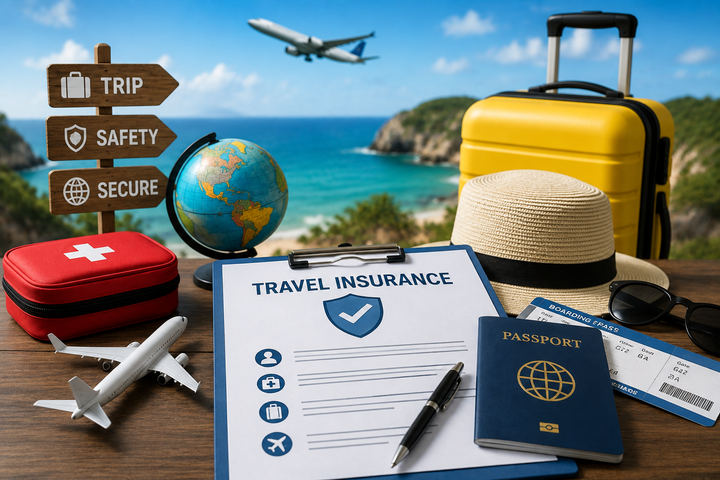
Travel Insurance & Safety: Essential Information for Secure Trips
Travel brings opportunities for exploration, learning, business, and cultural experiences. However, unexpected situations such as medical emergencies, trip disruptions, lost belongings, natural disasters, or safety concerns can affect even the most carefully planned journeys.
Understanding travel insurance and travel safety helps travelers prepare for uncertainties and make informed decisions before and during a trip.
In today's interconnected world, international travel, remote work, adventure tourism, and global business travel have increased significantly. As travel becomes more accessible, awareness of protection measures and safety practices becomes increasingly important. Travel insurance and safety planning work together to reduce risks and improve travel confidence.
Quick Overview
| Aspect | Overview |
|---|---|
| Purpose | Helps manage financial and travel-related risks |
| Main Focus | Medical emergencies, trip interruptions, travel protection |
| Users | Tourists, business travelers, students, families |
| Coverage Areas | Health, baggage, transportation disruptions |
| Safety Goals | Personal security, health awareness, emergency preparedness |
| Benefits | Risk reduction, preparedness, travel confidence |
| Importance | Supports informed travel planning |
Industry Overview
Travel insurance and safety form an important part of the global travel ecosystem. Airlines, hospitality providers, educational institutions, travel planners, transportation networks, and international organizations all recognize the importance of traveler protection.
Modern travel involves numerous variables, including changing regulations, weather conditions, transportation systems, public health concerns, and geopolitical developments. Travel insurance serves as a financial protection mechanism, while safety practices help travelers avoid or reduce exposure to risks.
The increasing use of digital booking platforms, mobile travel applications, and real-time travel alerts has further strengthened the role of travel protection and safety awareness.
How Travel Insurance and Safety Work
Step 1: Travel Planning
Travelers evaluate destinations, activities, transportation methods, and potential risks.
Step 2: Risk Assessment
Factors such as trip duration, destination conditions, health considerations, and planned activities are reviewed.
Step 3: Protection Selection
Travelers choose appropriate travel protection options based on their travel requirements.
Step 4: Safety Preparation
Travel documents, emergency contacts, health information, and destination research are organized.
Step 5: Travel Monitoring
During the trip, travelers stay informed about local conditions, transportation updates, and safety advisories.
Step 6: Emergency Response
If disruptions or emergencies occur, travelers follow established procedures and seek appropriate assistance.
Main Types of Travel Insurance
Medical Travel Coverage
Definition
Focuses on health-related situations that may occur during travel.
Features
- Emergency medical assistance
- Hospital-related support
- Medical transportation assistance
Applications
- International travel
- Long-term stays
- Student travel
Advantages
- Health-related protection
- Emergency support
Limitations
- May exclude certain conditions
- Coverage conditions vary
Trip Cancellation Coverage
Definition
Provides protection for qualifying trip interruptions or cancellations.
Features
- Pre-trip protection
- Travel disruption support
Applications
- Vacation planning
- Business travel
Advantages
- Financial risk management
Limitations
- Specific eligibility requirements
Baggage Protection Coverage
Definition
Addresses issues involving luggage and personal belongings.
Features
- Lost baggage support
- Delayed baggage assistance
Applications
- Air travel
- International travel
Advantages
- Reduces inconvenience
Limitations
- Item restrictions may apply
Adventure Travel Coverage
Definition
Designed for higher-risk recreational activities.
Features
- Activity-specific provisions
- Outdoor travel support
Applications
- Trekking
- Diving
- Adventure tourism
Advantages
- Activity-focused protection
Limitations
- Activity restrictions may exist
Business Travel Coverage
Definition
Supports work-related travel requirements.
Features
- Travel disruption assistance
- Business equipment considerations
Applications
- Conferences
- International meetings
Advantages
- Professional travel support
Limitations
- Coverage scope varies
Core Components of Travel Safety
Risk Assessment
Evaluating destination-specific concerns before departure.
Emergency Planning
Preparing emergency contacts, documents, and contingency plans.
Health Preparedness
Understanding medical facilities, vaccinations, and health recommendations.
Digital Security
Protecting devices, accounts, and personal information.
Transportation Safety
Following safe transportation practices and route planning.
Situational Awareness
Remaining informed about local conditions and surroundings.
Comparison Table: Travel Insurance Types
| Feature | Medical Coverage | Trip Cancellation | Baggage Protection | Adventure Coverage | Business Coverage |
|---|---|---|---|---|---|
| Health Emergencies | High | Limited | No | Moderate | Limited |
| Trip Disruptions | Moderate | High | Low | Moderate | High |
| Personal Belongings | Low | Low | High | Low | Moderate |
| Outdoor Activities | Limited | Limited | Limited | High | Low |
| Professional Travel | Moderate | Moderate | Moderate | Low | High |
| International Suitability | High | High | High | High | High |
Real-World Applications
Travel and Tourism
Travelers use safety planning and travel protection to prepare for international vacations and domestic trips.
Business Travel
Organizations encourage risk management strategies to support employee mobility and operational continuity.
Education
Students participating in exchange programs and overseas education often require travel preparation and safety planning.
Hospitality
Hotels and tourism operators provide safety information and emergency procedures for guests.
Government and Public Services
Governments publish travel advisories and safety recommendations for citizens traveling abroad.
Transportation
Airlines, rail systems, and cruise operators maintain safety protocols and traveler guidance.
Real-World Examples
International Vacation
A family traveling abroad prepares emergency contacts, researches local healthcare facilities, and monitors destination advisories.
Business Conference
A professional attending an overseas conference maintains digital security practices and emergency travel documentation.
Student Exchange Program
A student studying abroad creates a safety plan, understands local regulations, and keeps emergency information accessible.
Adventure Expedition
A trekking participant reviews environmental conditions, safety equipment requirements, and emergency communication options.
Key Features
Emergency Assistance Resources
Support systems for unexpected travel situations.
Medical Preparedness
Access to information and resources related to health concerns.
Travel Disruption Management
Guidance for transportation delays and itinerary changes.
Safety Information Access
Real-time updates and destination awareness.
Documentation Support
Organized management of travel records and emergency contacts.
Global Accessibility
Resources available across multiple destinations.
Benefits
Operational Benefits
- Improved travel planning
- Better emergency readiness
- Structured risk management
Performance Benefits
- Reduced travel disruptions
- Better decision-making
Efficiency Benefits
- Faster response during emergencies
- Streamlined travel preparation
User Benefits
- Greater confidence while traveling
- Improved awareness of risks
Long-Term Advantages
- Better travel habits
- Increased preparedness
- Enhanced safety awareness
Challenges and Limitations
Changing Travel Conditions
Travel environments can change rapidly due to weather, health concerns, or transportation disruptions.
Coverage Variations
Different travel protection options may include different conditions and exclusions.
Information Accuracy
Travelers must rely on current and verified information sources.
Documentation Requirements
Proper documentation is essential for travel preparedness.
Destination-Specific Risks
Risks vary significantly between locations and travel activities.
Selection Factors
Before planning travel protection and safety strategies, consider:
- Destination conditions
- Trip duration
- Planned activities
- Health considerations
- Transportation methods
- Family or group travel needs
- Business travel requirements
- Emergency communication options
- Documentation requirements
- Local regulations
Standards, Regulations, and Best Practices
Travel Documentation Practices
- Keep copies of important documents
- Maintain emergency contact information
Health Best Practices
- Review destination health guidance
- Follow recommended precautions
Security Practices
- Use secure internet connections
- Protect sensitive information
Emergency Preparedness
- Develop contingency plans
- Understand local emergency procedures
Travel Safety Management and Optimization
Before Departure
- Research destinations thoroughly
- Verify travel documents
- Prepare emergency contacts
During Travel
- Monitor local developments
- Practice situational awareness
- Follow transportation guidelines
After Travel
- Review lessons learned
- Update travel preparation processes
Emerging Technologies and Innovations
Artificial Intelligence
AI-powered travel tools help identify risks and provide personalized recommendations.
Mobile Applications
Travel apps offer navigation, alerts, translation, and emergency information.
Digital Documentation
Electronic travel records improve accessibility and organization.
Real-Time Analytics
Data-driven systems provide up-to-date travel information and alerts.
Smart Safety Platforms
Integrated platforms combine travel information, communication, and monitoring tools.
Future Trends
Enhanced Digital Travel Protection
Digital platforms will continue improving access to travel-related information and assistance.
Predictive Risk Analysis
Advanced analytics may help identify travel risks earlier.
Integrated Travel Ecosystems
Travel planning, safety monitoring, and information services are becoming increasingly connected.
Personalized Travel Guidance
Technology will support more customized travel preparation and risk awareness.
Greater Focus on Traveler Well-Being
Health, security, and traveler experience are expected to remain central priorities.
Expert Insights
Travel insurance and safety are no longer viewed as separate considerations. Effective travel preparation combines financial protection, risk awareness, health planning, digital security, and emergency readiness. As travel becomes more global and technology-driven, informed travelers benefit from understanding both protection mechanisms and practical safety strategies.
Organizations, educational institutions, tourism providers, and travelers increasingly recognize that preparation and awareness are essential components of successful travel experiences.
Frequently Asked Questions
1. What is travel insurance?
Travel insurance is a form of travel-related protection designed to help manage specific risks associated with travel.
2. Why is travel safety important?
Travel safety helps reduce risks and improves preparedness for unexpected situations.
3. Who should consider travel protection?
Tourists, students, business travelers, families, and adventure travelers can benefit from travel planning and protection strategies.
4. What are common travel risks?
Medical emergencies, transportation disruptions, lost belongings, and security concerns are common travel risks.
5. How can travelers improve safety?
Research destinations, maintain awareness, prepare emergency contacts, and follow local guidance.
6. What is situational awareness?
Situational awareness involves understanding your surroundings and recognizing potential risks.
7. Why is digital security important during travel?
Travelers often use public networks and digital services, making cybersecurity awareness important.
8. What documents should travelers keep accessible?
Passports, identification documents, travel records, emergency contacts, and reservation details.
9. How does technology support travel safety?
Technology provides alerts, navigation, communication tools, and real-time travel information.
10. What should travelers do before departure?
Research destinations, organize documents, review safety guidance, and prepare contingency plans.
11. Are safety considerations different for business travelers?
Yes. Business travelers may face additional concerns related to schedules, equipment, and international mobility.
12. Why is emergency planning important?
Emergency planning helps travelers respond more effectively to unexpected events.
13. What role do travel advisories play?
Travel advisories provide information about conditions that may affect traveler safety.
14. How do adventure travelers manage risks?
They prepare specialized equipment, understand activity requirements, and follow safety recommendations.
15. What is the future of travel safety?
The future includes greater use of AI, predictive analytics, mobile technologies, and integrated travel information systems.
Key Takeaways
- Travel insurance and safety complement each other.
- Preparation reduces travel-related risks.
- Medical emergencies remain a major travel concern.
- Digital security is increasingly important.
- Situational awareness improves traveler safety.
- Travel protection options vary by purpose.
- Emergency planning supports faster responses.
- Technology enhances travel preparedness.
- Risk assessment should begin before departure.
- Travel safety practices apply to all traveler types.
- Real-time information improves decision-making.
- Future travel systems will become more connected and data-driven.
Conclusion
Travel insurance and safety play an essential role in modern travel planning. Whether traveling for leisure, education, business, or adventure, understanding potential risks and preparing appropriately helps create a more secure and informed travel experience. Through effective planning, awareness, emergency preparedness, and the use of modern technologies, travelers can navigate changing environments with greater confidence. As global travel continues to evolve, knowledge of travel protection and safety practices will remain an important part of responsible and successful travel.