Portable Washing Machines: Features and Insights
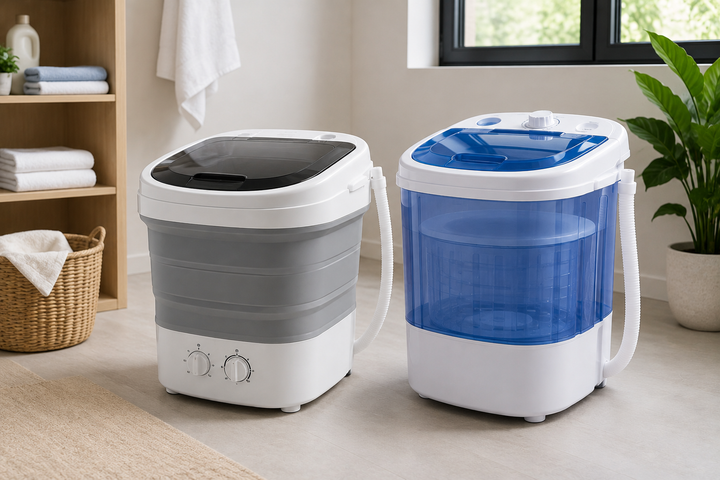
Portable washing machines have become a practical laundry solution for apartments, dormitories, recreational vehicles, cabins, and compact homes.
These appliances help users manage laundry while requiring less space than traditional washing machines.
As living spaces become more flexible and compact, portable laundry equipment continues to gain attention. Their combination of mobility, convenience, and efficient operation makes them suitable for a wide range of environments.
Whether used by students, travelers, apartment residents, or small households, portable washing machines provide an adaptable approach to everyday laundry care.
Quick Facts About Portable Washing Machines
| Feature | Details |
|---|---|
| Primary Function | Washing clothes in compact spaces |
| Installation Type | Flexible and movable |
| Common Users | Students, apartment residents, travelers |
| Water Source | Faucet connection or manual filling |
| Power Requirement | Standard household electricity |
| Mobility | Easy to relocate |
| Storage Convenience | Suitable for small spaces |
| Typical Locations | Apartments, dormitories, RVs, cabins |
What Are Portable Washing Machines?
Portable washing machines are compact appliances designed to clean clothing while occupying less space than conventional laundry equipment. They provide flexibility for users who may not have access to a dedicated laundry area.
Many models connect directly to a faucet, while others support manual filling. Their lightweight construction allows easy relocation and storage.
For example, a student living in a dormitory can wash weekly laundry and store the appliance when not in use.
Understanding the Concept
Portable washing machines clean clothing using water, detergent, and mechanical movement. While smaller than traditional machines, they often include washing, rinsing, and spinning functions.
Their compact design makes them especially useful in environments where space is limited or where permanent appliance installation is not practical.
Key Types of Portable Washing Machines
Manual Portable Washing Machines
These models use hand-powered operation.
Features
- Lightweight design
- Suitable for travel
- No electrical operation
- Easy transportation
Semi-Automatic Portable Washing Machines
These units require some user involvement.
Features
- Separate washing and spinning functions
- Flexible operation
- Efficient water management
- Suitable for smaller households
Fully Automatic Portable Washing Machines
These models automate most laundry tasks.
Features
- Automatic cycle management
- User-friendly controls
- Consistent washing performance
- Minimal intervention required
Twin Tub Portable Washing Machines
Twin tub models contain separate washing and spinning compartments.
Features
- Faster laundry workflow
- Flexible load handling
- Simultaneous washing and spinning
Portable Washing Machine Components
| Component | Function |
|---|---|
| Wash Tub | Holds clothing during washing |
| Agitator or Pulsator | Creates cleaning movement |
| Motor | Powers appliance operation |
| Water Inlet | Supplies water |
| Drain Hose | Removes used water |
| Control Panel | Manages settings |
| Spin Basket | Removes excess moisture |
Portable Washing Machine Architecture
Water Intake System
Water enters through a faucet connection or manual filling process.
Washing Chamber
The chamber contains clothing, detergent, and water during the cleaning cycle.
Agitation Mechanism
An agitator or pulsator moves fabrics through water to assist cleaning.
Drainage System
Used water exits through a drain hose.
Spin System
The spinning mechanism removes excess moisture after washing.
Control System
Controls allow users to manage cycles and operational settings.
How Do Portable Washing Machines Work?
Step 1: Load Clothes
Place laundry evenly into the wash tub.
Step 2: Add Water and Detergent
Add water and detergent according to the selected cycle.
Step 3: Washing Cycle
The machine agitates clothing to loosen dirt and debris.
Step 4: Drain Water
Used water leaves through the drainage system.
Step 5: Rinse Cycle
Fresh water removes detergent residue.
Step 6: Spin Dry
The spin cycle reduces remaining moisture.
Portable Washing Process Overview
| Stage | Purpose |
|---|---|
| Loading | Place clothes into machine |
| Filling | Add water and detergent |
| Washing | Clean fabrics |
| Draining | Remove dirty water |
| Rinsing | Remove detergent residue |
| Spinning | Reduce moisture content |
Portable Washing Machine Capacity Comparison
| Capacity Range | Suitable For | Typical Laundry Items |
|---|---|---|
| Compact Capacity | Individual Users | T-shirts, socks, light garments |
| Small Capacity | Students and Apartments | Daily clothing loads |
| Medium Capacity | Couples | Clothing and towels |
| Larger Portable Capacity | Small Families | Mixed laundry loads |
| Twin Tub Capacity | Frequent Users | Larger laundry sessions |
Fabric Compatibility Guide
| Fabric Type | Compatibility | Notes |
|---|---|---|
| Cotton | High | Suitable for routine washing |
| Polyester | High | Common household fabric |
| Linen | Good | Follow garment instructions |
| Synthetic Blends | High | Frequently washed |
| Towels | Good | Depends on capacity |
| Delicate Fabrics | Moderate | Gentle cycles recommended |
| Wool Items | Conditional | Follow garment guidance |
| Sportswear | High | Suitable for regular cleaning |
Water Usage Comparison
| Washing Machine Type | Water Usage Level | Typical Use Case |
|---|---|---|
| Manual Portable Machine | Lower | Travel and occasional washing |
| Semi-Automatic Portable Machine | Moderate | Apartments and small homes |
| Fully Automatic Portable Machine | Moderate to Higher | Daily household laundry |
| Twin Tub Portable Machine | Moderate | Frequent laundry needs |
| Traditional Washing Machine | Higher | Large household laundry loads |
Benefits and Advantages
- Space-efficient design
- Easy mobility
- Flexible installation
- Convenient laundry access
- Suitable for temporary housing
- Adaptable to compact living environments
Traditional vs Portable Washing Machines
| Feature | Traditional Machine | Portable Machine |
|---|---|---|
| Size | Large | Compact |
| Mobility | Fixed | Portable |
| Installation | Permanent | Flexible |
| Storage | Limited | Easy |
| Space Requirement | Higher | Lower |
| Relocation | Difficult | Convenient |
Smart Appliance Technology
Digital Controls
Digital interfaces help users select cycles and settings accurately.
Smart Sensors
Sensors can monitor water levels and balance conditions.
Automatic Water Management
Some models adjust water levels according to load size.
Connected Features
Modern appliance technology increasingly supports integration with connected home environments.
Real-World Applications
| Environment | Common Application |
|---|---|
| Apartments | Daily laundry management |
| Dormitories | Student laundry needs |
| RV Living | Mobile laundry support |
| Vacation Properties | Seasonal laundry use |
| Small Homes | Space-efficient washing |
| Temporary Housing | Flexible appliance operation |
Noise and Operating Environment
Noise levels can influence user comfort, particularly in compact living spaces.
Factors Affecting Noise Levels
| Factor | Impact on Operation |
|---|---|
| Load Balance | Reduces vibration |
| Stable Surface | Improves stability |
| Motor Design | Influences operating sound |
| Spin Speed | Higher speeds may increase noise |
| Maintenance Condition | Supports smoother operation |
Suitable Operating Environments
- Apartments
- Student housing
- Recreational vehicles
- Small homes
- Temporary residences
Laundry Load Planning
Sort Clothes by Fabric Type
Grouping similar fabrics can improve washing consistency.
Avoid Overloading
Adequate space inside the tub helps maintain washing performance.
Separate Heavy and Light Items
Balanced loads can improve spin efficiency.
Schedule Laundry Regularly
Smaller loads throughout the week may be easier to manage.
Safety and Usage Considerations
- Place the appliance on a stable surface.
- Inspect water connections regularly.
- Keep electrical components dry.
- Ensure adequate ventilation.
- Follow operating instructions carefully.
Environmental Considerations
Portable washing machines are often selected because they fit well within compact living environments where efficient use of resources is important.
Water Efficiency
Many portable models are designed for smaller laundry loads, which may support more controlled water usage compared with larger appliances used for similar quantities of clothing.
Energy Awareness
Modern appliance manufacturers increasingly focus on efficient motor technologies and optimized wash cycles. Energy performance programs in various regions evaluate factors such as energy consumption, water consumption, wash performance, rinse performance, and water extraction efficiency.
Appliance Longevity
Routine maintenance and proper operation can help extend appliance lifespan.
Responsible Detergent Usage
Using the recommended amount of detergent can improve washing performance and reduce unnecessary residue.
Sustainable Living Support
Portable washing machines are commonly associated with apartments, dormitories, RVs, and other space-conscious housing environments.
Industry Standards and Safety
Portable washing machines are generally designed according to recognized appliance safety requirements.
Electrical Safety Standards
IEC 60335-2-7 is an internationally recognized standard covering safety requirements for household washing machines and similar appliances. It addresses electrical safety and common household hazards associated with washing machine operation.
National Requirements
In India, washing machines are also covered by safety requirements aligned with IS 302 (Part 2 / Section 7), which relates to household washing machine safety.
Product Testing Areas
| Safety Area | Purpose |
|---|---|
| Electrical Protection | Helps reduce electrical hazards |
| Moisture Resistance | Evaluates water exposure safety |
| Mechanical Strength | Assesses structural durability |
| Temperature Testing | Monitors operating temperatures |
| Earthing Verification | Supports electrical protection |
| Operational Testing | Evaluates appliance performance |
Why Standards Matter
Safety standards help manufacturers evaluate household appliances for common operational risks and performance expectations. IEC 60335-2-7 specifically addresses washing machines intended for household and similar use.
Common Challenges and Practical Solutions
| Challenge | Practical Solution |
|---|---|
| Limited Capacity | Wash smaller loads more frequently |
| Space Constraints | Store machine when not in use |
| Drainage Management | Position drain hose correctly |
| Load Imbalance | Distribute clothing evenly |
| Water Access Limitations | Use suitable adapters |
| Maintenance Needs | Follow cleaning schedules |
Portable Washing Machine Maintenance Schedule
| Maintenance Task | Frequency | Purpose |
|---|---|---|
| Clean Wash Tub | Weekly | Maintain cleanliness |
| Clean Lint Filter | Weekly | Support washing performance |
| Inspect Water Hoses | Monthly | Identify wear |
| Check Drain Hose | Monthly | Ensure smooth drainage |
| Wipe Exterior Surfaces | Weekly | Maintain appearance |
| Inspect Power Connections | Monthly | Support safe operation |
| Deep Cleaning Cycle | Every Few Months | Remove buildup |
| Storage Inspection | Before Long-Term Storage | Prevent deterioration |
Best Practices
- Clean the appliance regularly.
- Maintain balanced loads.
- Inspect hoses periodically.
- Store in a dry environment.
- Follow maintenance schedules.
- Use appropriate detergent quantities.
Expert Insights
Appliance specialists generally recommend selecting a portable washing machine based on available space, laundry frequency, and typical load size rather than focusing on a single feature.
Compact-capacity models often suit individuals and students, while larger-capacity or twin tub units may be more appropriate for households with higher laundry volumes.
Frequently Asked Questions
What is a portable washing machine?
A compact appliance designed for washing clothes in smaller spaces.
Are portable washing machines suitable for apartments?
Yes, they are commonly used in apartments because of their compact size.
What fabrics can be washed?
Cotton, polyester, linen, synthetic blends, sportswear, and many common household fabrics.
How often should maintenance be performed?
Routine cleaning is generally recommended weekly, while hose and connection inspections are commonly performed monthly.
Do portable washing machines follow safety standards?
Many household washing machines are designed according to recognized standards such as IEC 60335-2-7 and related national requirements.
Conclusion
Portable washing machines provide a flexible and practical laundry solution for modern living environments. Their compact size, mobility, and growing range of features make them suitable for apartments, dormitories, RVs, temporary housing, and small homes.
As appliance technology continues to evolve, portable washing machines are expected to benefit from improvements in efficiency, convenience, safety, and smart functionality. Their ability to support space-conscious lifestyles ensures their ongoing relevance in modern households.