Ultimate Carbon Fiber E-Bike Selection Guide
A carbon fiber e-bike is an electric bicycle that uses a carbon fiber frame instead of traditional aluminum or steel.
Carbon fiber offers a high strength-to-weight ratio, helping manufacturers create lighter e-bikes while maintaining structural rigidity, responsive handling, and improved ride quality for commuting, fitness, road cycling, and off-road applications.
This guide focuses on selecting the right carbon fiber e-bike by understanding frame construction, motor systems, battery integration, riding styles, performance characteristics, and long-term ownership considerations.
Quick Facts About Carbon Fiber E-Bikes
| Feature | Description |
|---|---|
| Frame Material | Carbon fiber composite |
| Primary Benefit | Lightweight construction |
| Motor Types | Hub motor or mid-drive motor |
| Battery Placement | Integrated or semi-integrated |
| Common Uses | Commuting, road riding, gravel riding, mountain biking |
| Ride Feel | Stiff, responsive, efficient |
| Maintenance Focus | Battery care, drivetrain service, frame inspection |
| Typical Buyers | Commuters, enthusiasts, performance-focused riders |
What Is a Carbon Fiber E-Bike?
A carbon fiber e-bike combines a lightweight carbon fiber bicycle frame with an electric assist system consisting of a motor, battery, controller, and sensors. The electric drive supports pedaling efforts, making hills, longer rides, and challenging terrain easier to manage.
Unlike conventional bicycles, e-bikes provide varying levels of pedal assistance. Carbon fiber construction helps offset the added weight of motors and batteries, creating a more agile riding experience compared to many heavier electric bicycles.
Why Carbon Fiber E-Bikes Matter
Electric bicycles have become a practical transportation and recreation option. However, batteries and motors increase overall weight. Carbon fiber frames address this challenge by reducing frame mass while preserving strength and stiffness.
Benefits include:
- Easier acceleration
- Improved climbing efficiency
- Better handling responsiveness
- Reduced rider fatigue during longer rides
- Simplified transport and storage
- Enhanced performance for fitness-oriented riders
- Improved vibration damping compared to many metal frames
For riders seeking a balance between electric assistance and cycling performance, carbon fiber remains one of the most attractive frame materials.
Understanding the Carbon Fiber E-Bike Concept
Simple Explanation
A standard bicycle relies entirely on human power. An e-bike adds an electric motor that assists pedaling. A carbon fiber e-bike replaces the traditional metal frame with a carbon fiber structure, reducing weight while maintaining durability.
The result is an electric bicycle that feels closer to a conventional performance bike while still providing motor assistance when needed.
How a Carbon Fiber E-Bike Works
Pedal Input Detection
Sensors detect rider pedaling activity and measure factors such as cadence, torque, or speed.
Controller Processing
The controller interprets sensor signals and determines how much motor assistance should be provided.
Motor Assistance
The motor delivers additional power through either the wheel hub or drivetrain.
Battery Power Delivery
The battery supplies electrical energy to the motor and electronic systems.
Ride Monitoring
Display units provide information such as speed, battery level, assistance mode, and riding data.
Regulated Assistance
Most e-bikes are configured to provide assistance only under defined operating conditions and speed limits according to local regulations.
Carbon Fiber E-Bike Workflow Table
| Stage | Function |
|---|---|
| Pedaling | Rider initiates movement |
| Sensor Detection | Pedal activity is measured |
| Signal Processing | Controller evaluates assistance demand |
| Power Delivery | Battery supplies energy |
| Motor Assistance | Motor supports rider effort |
| Motion Control | Rider manages steering and braking |
| Monitoring | Display reports system status |
Carbon Fiber E-Bike Construction
Carbon Fiber Frame
The frame consists of carbon fiber layers bonded with resin to create a lightweight structural platform.
Electric Motor
The motor generates assistive power that supplements rider effort.
Battery System
Rechargeable lithium-ion battery packs store and deliver electrical energy.
Controller
Electronic control units coordinate motor performance and system functions.
Sensors
Torque, cadence, and speed sensors provide riding data.
Drivetrain
Chains, belts, gears, and cassettes transfer power to the wheels.
Display Interface
Handlebar-mounted displays provide ride information and assistance controls.
Main Components of a Carbon Fiber E-Bike
| Component | Purpose |
|---|---|
| Carbon Fiber Frame | Structural support |
| Motor | Electric assistance |
| Battery | Energy storage |
| Controller | System management |
| Sensors | Rider input detection |
| Drivetrain | Power transmission |
| Display | Rider information |
| Brakes | Speed control and stopping |
| Wheels | Ground contact and movement |
Types of Carbon Fiber E-Bikes
Carbon Fiber Road E-Bikes
Designed for pavement efficiency and higher-speed riding.
Advantages:
- Lightweight handling
- Aerodynamic positioning
- Efficient power transfer
Carbon Fiber Gravel E-Bikes
Built for mixed surfaces including pavement and gravel roads.
Advantages:
- Versatile riding capability
- Increased comfort
- Wider tire compatibility
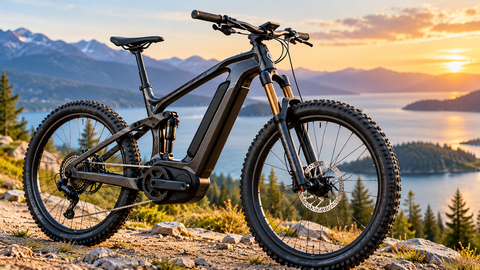
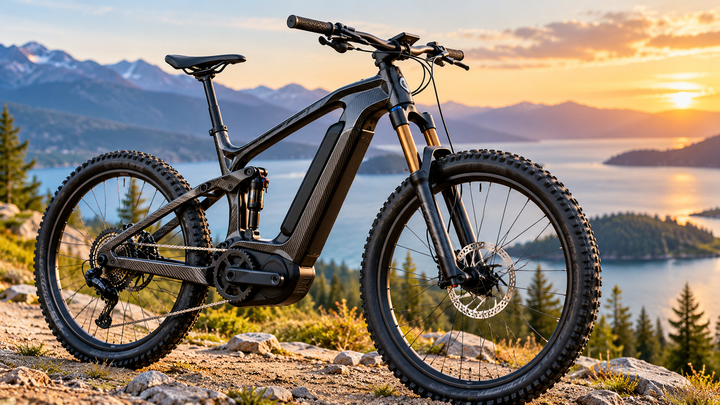
Carbon Fiber Mountain E-Bikes
Designed for trails, climbs, and technical terrain.
Advantages:
- Enhanced off-road control
- Suspension compatibility
- Improved climbing assistance
Carbon Fiber Commuter E-Bikes
Focused on daily transportation and urban mobility.
Advantages:
- Comfortable riding position
- Practical accessory compatibility
- Efficient city travel
Carbon Fiber Hybrid E-Bikes
Blend characteristics of road and commuter designs.
Advantages:
- Multi-purpose usage
- Balanced comfort and efficiency
- Broad rider appeal
Carbon Fiber E-Bike Type Comparison
| Type | Best Use | Riding Position | Terrain |
|---|---|---|---|
| Road | Fitness and speed | Aggressive | Pavement |
| Gravel | Mixed surfaces | Moderate | Gravel and roads |
| Mountain | Trails | Upright | Off-road |
| Commuter | Urban travel | Comfortable | City streets |
| Hybrid | General use | Balanced | Mixed environments |
Carbon Fiber Materials and Requirements
Carbon fiber e-bike performance depends heavily on material quality and engineering design.
Key considerations include:
- Carbon fiber layup design
- Resin quality
- Frame geometry
- Battery integration
- Motor placement
- Impact resistance design
- Environmental protection for electronics
Not all carbon fiber frames are identical. Manufacturing methods and structural engineering significantly influence ride quality and durability.
Carbon Fiber E-Bikes vs Aluminum E-Bikes
| Feature | Carbon Fiber E-Bike | Aluminum E-Bike |
|---|---|---|
| Weight | Typically lighter | Typically heavier |
| Ride Feel | More vibration damping | Generally firmer |
| Corrosion Resistance | Excellent | Very good |
| Design Flexibility | High | Moderate |
| Impact Damage Visibility | Less obvious | Usually easier to detect |
| Performance Focus | Higher | Broader range of uses |
Carbon fiber often appeals to riders seeking performance and reduced weight, while aluminum remains popular for value-oriented and utility-focused applications.
Benefits and Advantages of Carbon Fiber E-Bikes
- Reduced overall weight
- Efficient climbing performance
- Responsive handling
- Improved ride comfort through vibration absorption
- High structural stiffness
- Clean integrated frame designs
- Better carrying and transportation convenience
- Strong performance-to-weight characteristics
- Suitable for premium commuter and recreational use
Industry Applications of Carbon Fiber E-Bikes
Urban Transportation
Carbon fiber e-bikes provide efficient personal mobility for daily commuting.
Recreational Cycling
Riders use carbon fiber e-bikes for fitness, exploration, and leisure riding.
Tourism and Rental Operations
Premium rental fleets increasingly incorporate lightweight electric bicycles.
Outdoor Adventure Activities
Gravel and mountain e-bikes support trail exploration and extended-distance riding.
Corporate Mobility Programs
Organizations use e-bikes to support sustainable transportation initiatives.
Industry Applications Table
| Sector | Application |
|---|---|
| Urban Mobility | Daily commuting |
| Recreation | Fitness and leisure riding |
| Tourism | Guided tours and rentals |
| Outdoor Activities | Trail and adventure riding |
| Corporate Programs | Employee transportation |
Industry Standards and Safety
Carbon fiber e-bikes operate within bicycle and electrical safety frameworks used throughout the cycling industry.
Relevant standards commonly referenced include:
- EN 15194 for electrically power-assisted cycles
- ISO 4210 bicycle safety standards
- Battery transportation and safety regulations
- Electrical safety requirements applicable to e-bike systems
Riders should always follow local e-bike regulations regarding speed classifications, road access, and equipment requirements.
Common Challenges and Solutions
| Challenge | Practical Solution |
|---|---|
| Battery degradation | Follow recommended charging practices |
| Higher purchase cost | Match features to actual riding needs |
| Impact damage concerns | Perform regular frame inspections |
| Range anxiety | Choose battery capacity appropriate for riding habits |
| Electronic faults | Use qualified service technicians |
| Component wear | Maintain drivetrain and braking systems |
How to Choose a Carbon Fiber E-Bike
| Selection Factor | What to Evaluate |
|---|---|
| Riding Purpose | Commuting, road, gravel, or trail riding |
| Frame Geometry | Comfort and fit |
| Motor Type | Mid-drive or hub motor |
| Battery Capacity | Expected ride distance |
| Weight | Transport and handling requirements |
| Tire Compatibility | Intended terrain |
| Suspension | Needed for off-road use |
| Service Support | Availability of maintenance resources |
| Accessory Needs | Racks, lights, fenders, storage |
Maintenance Best Practices
Proper maintenance extends both bicycle and battery lifespan.
Recommended practices include:
- Keep batteries within recommended storage conditions
- Inspect frames for visible damage after impacts
- Clean drivetrain components regularly
- Check tire pressure before rides
- Update electronic firmware when available
- Inspect brake pads and rotors periodically
- Store the bicycle in a dry environment
- Follow manufacturer charging recommendations
Limitations of Carbon Fiber E-Bikes
Carbon fiber e-bikes offer many advantages, but they are not ideal for every rider.
Potential limitations include:
- Higher acquisition cost than many aluminum alternatives
- Specialized repair requirements for damaged frames
- Impact damage may not always be visually obvious
- Replacement parts can vary by manufacturer
- Premium models may prioritize performance over utility features
Buyers should evaluate intended use rather than assuming carbon fiber is automatically the best choice for every riding situation.
Future Trends in Carbon Fiber E-Bikes
Manufacturers continue improving frame integration, battery packaging, and motor efficiency.
Emerging developments include:
- More compact drive systems
- Improved battery energy density
- Advanced carbon fiber manufacturing techniques
- Enhanced connectivity features
- Better integration of navigation and ride analytics
- Increased use of lightweight components across complete bicycle systems
Frequently Asked Questions
Are carbon fiber e-bikes durable?
Yes. Properly engineered carbon fiber frames are designed to withstand normal riding loads and demanding conditions. Durability depends on manufacturing quality, maintenance, and avoiding severe impacts.
Is a carbon fiber e-bike lighter than an aluminum e-bike?
Typically, yes. Carbon fiber frames generally weigh less than comparable aluminum frames, helping offset the weight of motors and batteries.
Which motor type is better for a carbon fiber e-bike?
Both hub motors and mid-drive motors have advantages. Mid-drive systems are often preferred for performance-oriented riding because they work through the bicycle drivetrain.
Can carbon fiber e-bikes be used for commuting?
Yes. Many commuter-focused carbon fiber e-bikes provide comfortable geometry, integrated lighting options, and practical transportation capabilities.
Are carbon fiber e-bikes suitable for mountain trails?
Specialized carbon fiber mountain e-bikes are designed specifically for trail riding and off-road environments.
How long do e-bike batteries last?
Battery lifespan varies according to usage patterns, charging habits, storage conditions, and manufacturer design.
Can a damaged carbon fiber frame be repaired?
In some cases, professional carbon fiber repair specialists can repair structural damage. Inspection by qualified technicians is recommended.
Are carbon fiber e-bikes difficult to maintain?
Routine maintenance is similar to other bicycles. Additional attention is required for battery care and electronic components.
Do carbon fiber e-bikes require special storage?
They should be stored in a dry environment and protected from extreme temperatures, particularly for battery health.
Who should buy a carbon fiber e-bike?
Carbon fiber e-bikes are often well suited to riders seeking lightweight performance, responsive handling, and premium ride characteristics.
Conclusion
Carbon fiber e-bikes combine lightweight composite frame technology with electric pedal assistance to create efficient, responsive, and versatile bicycles. Selecting the right model requires balancing riding purpose, motor configuration, battery capacity, frame geometry, terrain requirements, and maintenance considerations. By matching features to actual riding needs, buyers can choose a carbon fiber e-bike that delivers both performance and long-term usability.