Rechargeable Headlamps: Essential Guide to Specs & Uses
Rechargeable headlamps have become an important lighting solution for outdoor activities, industrial environments, emergency preparedness, and everyday tasks.
Unlike traditional battery-powered models, rechargeable headlamps use built-in or removable rechargeable batteries that can be charged multiple times.
Their hands-free design allows users to work, walk, hike, inspect equipment, or perform repairs while keeping both hands available. As lighting technology continues to advance, rechargeable headlamps now offer improved brightness, longer runtime, better durability, and enhanced energy efficiency.
Whether used for camping, hiking, cycling, maintenance work, or emergency situations, understanding headlamp specifications can help users select the right model for their needs.
Quick Facts About Rechargeable Headlamps
| Specification | Description |
|---|---|
| Power Source | Rechargeable battery |
| Common Charging Method | USB-C charging |
| Brightness Measurement | Lumens |
| Runtime Measurement | Hours |
| Water Protection | IP-rated housing |
| Lighting Modes | High, Medium, Low, Red Light |
| Typical Applications | Outdoor, industrial, emergency use |
| Key Benefit | Hands-free illumination |
What Is a Rechargeable Headlamp?
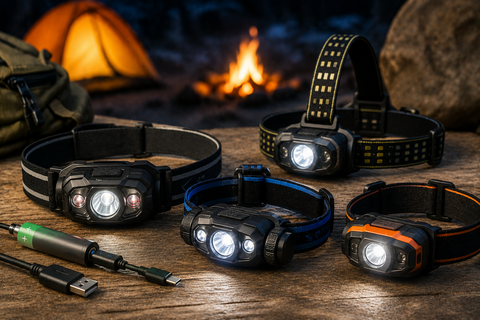
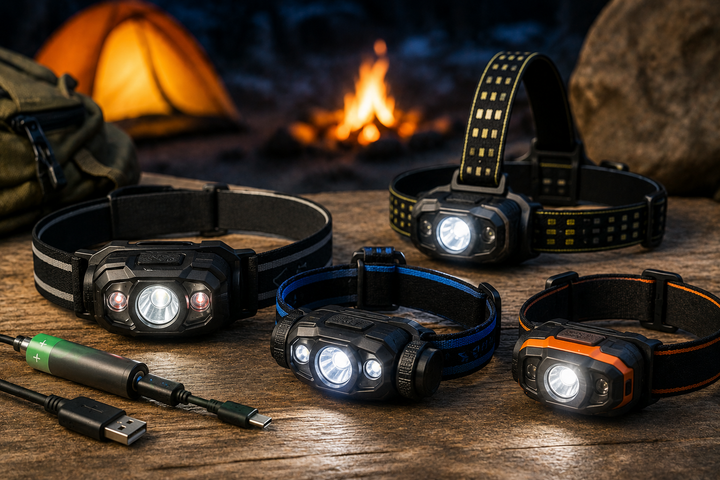
A rechargeable headlamp is a wearable lighting device mounted on an adjustable headband. It directs light wherever the user looks, making it useful for activities requiring mobility and visibility.
Modern headlamps commonly use LED technology because LEDs provide strong illumination while consuming less power. Many models also support multiple lighting modes, including flood beams, spot beams, and red-light modes.
Understanding Key Headlamp Specifications
Understanding specifications helps users compare products more effectively.
Lumens
Lumens measure the total amount of visible light produced by a headlamp.
| Lumen Range | Typical Use |
|---|---|
| 100–300 Lumens | Reading, camping, household tasks |
| 300–500 Lumens | Hiking, walking, outdoor activities |
| 500–1000 Lumens | Trail navigation, cycling |
| 1000+ Lumens | Industrial and demanding applications |
Many outdoor experts consider 300–500 lumens sufficient for most recreational activities, while higher outputs are useful for specialized applications.
Runtime
Runtime indicates how long a headlamp can operate on a single charge.
Factors affecting runtime include:
- Brightness setting
- Battery capacity
- Temperature conditions
- LED efficiency
Beam Distance
Beam distance measures how far light can effectively reach.
A longer beam distance can be useful for:
- Trail navigation
- Inspection work
- Search activities
- Outdoor exploration
Water Resistance
Most rechargeable headlamps include an IP rating.
| Rating | Protection Level |
|---|---|
| IPX4 | Resistant to rain and splashes |
| IPX6 | Resistant to strong water spray |
| IPX8 | Suitable for extended water exposure |
Water resistance is particularly important for outdoor activities and unpredictable weather conditions.
Rechargeable Headlamp Components
| Component | Function |
|---|---|
| LED Light Source | Produces illumination |
| Battery Pack | Stores electrical energy |
| Charging Port | Recharges battery |
| Headband | Secures headlamp |
| Control Button | Changes modes |
| Lens System | Shapes beam pattern |
| Circuit Board | Manages power distribution |
Rechargeable Headlamp Architecture
LED Module
The LED module generates light efficiently while minimizing power consumption.
Battery System
Rechargeable lithium-ion batteries are commonly used because they provide high energy density and stable performance.
Driver Circuit
The driver regulates power delivery and helps maintain consistent brightness.
Optical System
Reflectors and lenses direct light into spot or flood beam patterns.
Charging System
Modern headlamps increasingly use USB-C charging for convenience and faster charging performance.
Battery Types and Capacity Comparison
Battery capacity influences runtime and overall performance.
| Battery Type | Typical Capacity |
|---|---|
| AAA Rechargeable | Up to 950 mAh |
| AA Rechargeable | Up to 2500 mAh |
| 14500 Lithium-Ion | Up to 1100 mAh |
| 18350 Lithium-Ion | Up to 1400 mAh |
| 18650 Lithium-Ion | Up to 3500 mAh |
| 21700 Lithium-Ion | Up to 5100 mAh |
Larger batteries generally provide longer runtimes but also increase weight.
Types of Rechargeable Headlamps
General-Purpose Headlamps
Designed for everyday activities and household tasks.
Outdoor Adventure Headlamps
Suitable for hiking, camping, and trail navigation.
Industrial Headlamps
Built for maintenance, inspection, and workplace applications.
High-Output Headlamps
Provide greater brightness for demanding environments.
Motion Sensor Headlamps
Allow hands-free operation through motion detection technology.
How Rechargeable Headlamps Work
Step 1: Battery Stores Energy
The rechargeable battery stores electrical energy.
Step 2: User Activates the Lamp
A switch sends power to the LED system.
Step 3: Driver Regulates Output
The driver manages energy delivery to maintain performance.
Step 4: LED Produces Light
The LED converts electrical energy into visible light.
Step 5: Optics Shape the Beam
Lenses and reflectors direct the light pattern.
Lighting Mode Comparison
| Mode | Typical Purpose |
|---|---|
| High | Maximum brightness |
| Medium | Balanced operation |
| Low | Extended runtime |
| Red Light | Night vision support |
| Flash Mode | Emergency signaling |
| Motion Sensor Mode | Hands-free activation |
Common Applications
Camping
Headlamps provide convenient campsite lighting.
Hiking
Hands-free illumination improves trail visibility.
Cycling
Provides visibility during low-light conditions.
Fishing
Useful for preparing equipment and navigating shoreline areas.
Emergency Preparedness
A rechargeable headlamp can be a valuable part of emergency lighting equipment.
Maintenance and Inspection
Hands-free lighting supports repair and inspection tasks.
Application Comparison Table
| Activity | Recommended Feature |
|---|---|
| Camping | Long runtime |
| Hiking | Balanced lumens and weight |
| Cycling | Higher brightness |
| Industrial Work | Durability and beam control |
| Emergency Use | Extended battery life |
| Repairs | Flood beam capability |
Environmental Considerations
Rechargeable headlamps help reduce reliance on disposable batteries. A single rechargeable battery can replace many disposable batteries over time, reducing battery waste and supporting more sustainable equipment usage.
Energy Efficiency
LED technology consumes less power than older lighting technologies.
Reduced Battery Waste
Rechargeable systems help decrease the number of discarded batteries.
Longer Product Life
Many modern headlamps are designed for repeated charging cycles.
Industry Standards and Safety
Electrical Safety
Manufacturers typically design rechargeable headlamps to meet applicable electrical safety requirements.
Water Resistance Testing
IP ratings indicate protection against water exposure.
Impact Resistance
Many outdoor and industrial models are tested for durability and impact resistance. A specification sheet for a professional-grade headlamp lists impact resistance and multiple operating modes, illustrating the emphasis placed on durability.
Thermal Management
Advanced designs include thermal regulation to manage heat during extended operation.
Noise and Operating Environment
Unlike powered machinery, headlamps operate silently. However, environmental conditions can influence performance.
Cold Weather
Battery runtime may decrease in extremely cold temperatures.
Rainy Conditions
Water-resistant designs support operation during wet weather.
Dusty Environments
Sealed housings help protect internal electronics.
Industrial Settings
Durable headlamps are commonly used in inspection and maintenance environments.
Maintenance Schedule
| Maintenance Task | Frequency | Purpose |
|---|---|---|
| Clean Lens | Weekly | Maintain brightness |
| Check Headband | Monthly | Ensure comfort |
| Inspect Charging Port | Monthly | Maintain charging reliability |
| Recharge Battery | As Needed | Ensure readiness |
| Check Housing | Monthly | Identify wear |
| Clean Exterior | Monthly | Remove dirt and debris |
Common Challenges and Solutions
| Challenge | Practical Solution |
|---|---|
| Short Runtime | Use lower brightness settings |
| Reduced Visibility | Clean lens regularly |
| Slow Charging | Use compatible charging equipment |
| Water Exposure | Verify IP rating suitability |
| Battery Aging | Follow recommended charging practices |
| Excess Weight | Select lightweight battery options |
Best Practices
- Match lumen output to intended activity.
- Recharge batteries before extended use.
- Store in a dry environment.
- Inspect headbands and housing regularly.
- Use appropriate brightness settings.
- Follow manufacturer charging recommendations.
Expert Insights
Lighting specialists often recommend focusing on a combination of lumens, runtime, weight, and water resistance rather than selecting a headlamp solely based on maximum brightness. For many outdoor activities, balanced performance is more useful than extremely high output.
Key Facts About Rechargeable Headlamps
- USB-C charging is increasingly common in modern headlamp designs.
- Lithium-ion batteries dominate rechargeable headlamp technology.
- Many models include both spot and flood beam options.
- Motion-sensor control is becoming more common in newer designs.
- LED technology enables efficient lighting with extended runtimes.
Future Trends and Industry Insights
Smart Controls
Future designs may include more advanced sensor-based operation.
Improved Battery Technology
Higher-capacity batteries may extend runtimes while reducing weight.
Enhanced Water Protection
Manufacturers continue to improve environmental protection features.
Better Energy Efficiency
Advances in LED technology continue to improve lighting efficiency.
Integrated Connectivity
Some future designs may incorporate connected-device functionality.
Frequently Asked Questions
What is a rechargeable headlamp?
A wearable lighting device powered by a rechargeable battery.
How are lumens measured?
Lumens measure total visible light output.
What brightness level is suitable for hiking?
Many outdoor users find 300–500 lumens effective for general hiking.
Why is USB-C charging popular?
USB-C supports convenient and efficient charging.
What does IPX4 mean?
It indicates protection against splashing water.
What is beam distance?
The distance light can effectively project.
Are rechargeable headlamps suitable for camping?
Yes, they are commonly used for camping activities.
What battery type is most common?
Lithium-ion batteries are widely used.
What is a flood beam?
A wide beam designed for close-range illumination.
What is a spot beam?
A focused beam designed for longer distances.
Can rechargeable headlamps be used in rain?
Many models include water-resistant designs.
Why is runtime important?
Runtime indicates how long the headlamp can operate on a single charge.
What activities commonly use headlamps?
Camping, hiking, cycling, repairs, inspections, and emergency preparedness.
How often should a headlamp be cleaned?
Regular cleaning helps maintain performance.
What future developments are expected?
Improved batteries, smarter controls, and enhanced efficiency.
Conclusion
Rechargeable headlamps combine convenience, portability, and efficient lighting in a compact hands-free design. By understanding specifications such as lumens, runtime, beam distance, battery capacity, and water resistance, users can better evaluate which features match their intended activities.
Whether used for outdoor adventures, industrial inspections, emergency preparedness, or everyday tasks, rechargeable headlamps continue to evolve with improvements in battery technology, charging systems, durability, and energy efficiency. Their versatility ensures they remain a valuable lighting tool across a wide range of environments.