Power Plant Equipment: Components, Technologies and Insights
Power plant equipment forms the foundation of modern electricity generation.
Every power generation facility depends on a combination of mechanical, electrical, thermal, and digital systems that work together to convert energy into usable electrical power.
Whether electricity comes from coal, natural gas, water, wind, sunlight, or nuclear fuel, specialized equipment is required to ensure efficient energy conversion and reliable operation. Modern power generation systems increasingly utilize automation, intelligent monitoring, predictive maintenance, and smart power infrastructure to improve performance and operational visibility.
As energy demand continues to grow and utility infrastructure becomes more advanced, understanding power plant equipment is essential for anyone interested in electrical generation technology, energy systems, and industrial infrastructure.
Quick Facts Table
| Topic | Purpose | Key Equipment | Main Benefits | Common Applications |
|---|---|---|---|---|
| Power Plant Equipment | Generate, control, and distribute electrical energy | Turbines, Generators, Boilers, Transformers, Cooling Systems | Reliable power generation, improved efficiency, enhanced monitoring | Thermal plants, hydro facilities, nuclear stations, wind farms, solar facilities |
What Is Power Plant Equipment?
Power plant equipment refers to the machinery, systems, and technologies used to generate, convert, control, monitor, and distribute electrical energy within a power generation facility.
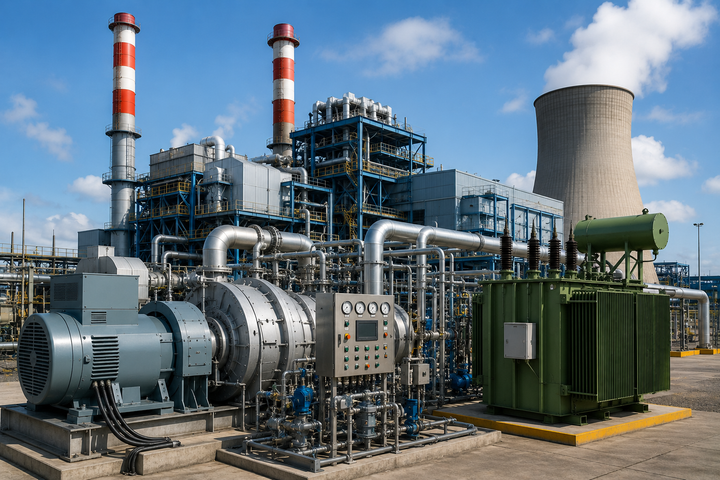
This equipment includes turbines, generators, boilers, transformers, condensers, cooling systems, switchgear, pumps, control platforms, and monitoring devices. Together, these components form integrated power generation systems that support reliable electricity production.
Why Is Power Plant Equipment Important?
Electricity generation depends on reliable and efficient equipment operating under demanding conditions. Power plant equipment ensures that energy conversion processes remain stable while supporting grid reliability and operational safety.
Its importance includes:
- Supporting continuous electricity generation
- Improving energy conversion efficiency
- Enhancing operational reliability
- Supporting grid modernization
- Improving power quality
- Increasing infrastructure resilience
- Enabling utility automation
- Supporting renewable energy integration
Industry Trends
- Renewable generation capacity continues to expand globally.
- Utility automation adoption is increasing across modern power facilities.
- Predictive maintenance helps reduce unplanned downtime.
- Digital monitoring systems improve asset visibility.
- Smart power infrastructure supports grid modernization initiatives.
- Advanced analytics improve equipment management and operational performance.
- Energy storage systems are becoming increasingly important for grid flexibility.
Understanding the Concept
Power generation systems convert one form of energy into electrical energy. Depending on the facility type, energy may come from thermal processes, flowing water, wind, sunlight, geothermal resources, or nuclear reactions.
Power plant equipment performs several essential functions, including energy conversion, electricity generation, voltage regulation, cooling, monitoring, protection, and control. The efficiency and reliability of a power station depend heavily on the quality and performance of these systems.
Major Power Plant Equipment
- Steam Turbines
- Gas Turbines
- Hydroelectric Turbines
- Wind Turbines
- Generators
- Boilers
- Condensers
- Transformers
- Cooling Towers
- Heat Exchangers
- Pumps
- Switchgear
- Circuit Breakers
- SCADA Systems
- Distributed Control Systems
- Monitoring Platforms
- Water Treatment Systems
- Energy Storage Systems
Equipment Categories Table
| Equipment Category | Examples |
|---|---|
| Power Generation Equipment | Turbines, Generators |
| Thermal Systems | Boilers, Condensers |
| Electrical Systems | Transformers, Switchgear |
| Cooling Systems | Cooling Towers, Heat Exchangers |
| Control Systems | SCADA, Monitoring Platforms |
| Protection Systems | Circuit Breakers, Relays |
| Water Treatment Systems | Filtration and Treatment Equipment |
Key Features and Core Components
Modern power plant equipment includes:
- Power generation systems
- Energy conversion equipment
- Utility infrastructure
- Smart power infrastructure
- Utility automation technologies
- Intelligent monitoring systems
- Grid synchronization equipment
- Electrical protection systems
- Advanced cooling systems
- Power quality management technologies
- Distributed energy resources integration technologies
- Predictive maintenance platforms
Power Plant Types Comparison
| Plant Type | Primary Equipment | Energy Source |
|---|---|---|
| Thermal Power Plant | Boiler, Steam Turbine | Coal, Gas, Biomass |
| Hydroelectric Plant | Water Turbine, Generator | Water |
| Nuclear Power Plant | Reactor, Steam Generator | Nuclear Fuel |
| Wind Power Plant | Wind Turbine, Generator | Wind |
| Solar Power Plant | PV Modules, Inverters | Sunlight |
| Combined Cycle Plant | Gas Turbine, Steam Turbine | Natural Gas |
What Equipment Is Used in a Power Plant?
Power plants utilize turbines, generators, boilers, transformers, cooling systems, condensers, switchgear, pumps, monitoring platforms, and protection systems. The exact equipment depends on the type of power generation facility and energy source.
Main Types of Power Plant Equipment
Turbines
Turbines convert energy from steam, gas, water, or wind into rotational mechanical power. They are among the most important generation assets in a power station.
Generators
Generators convert mechanical energy into electrical energy through electromagnetic induction.
Boilers
Boilers heat water to produce steam used for driving turbines in thermal power facilities.
Transformers
Transformers regulate voltage levels for efficient power transmission and distribution.
Cooling Systems
Cooling towers, condensers, and heat exchangers help remove excess heat from power generation processes.
Switchgear
Switchgear controls, protects, and isolates electrical equipment during normal operation and fault conditions.
Modern Power Plant Architecture
A typical power generation facility follows this structure:
Energy Source → Boiler or Prime Mover → Turbine → Generator → Transformer → Transmission Network → Distribution System → Consumer
Architecture Explanation
Energy from fuel, water, wind, sunlight, or nuclear processes is converted into mechanical motion through turbines or other prime movers. Generators convert this motion into electricity. Transformers regulate voltage before electricity enters transmission and distribution networks.
Control systems continuously monitor equipment performance throughout the generation process.
How Does Power Plant Equipment Work?
- Energy is captured from a fuel source or renewable resource.
- Boilers or prime movers convert energy into mechanical motion.
- Turbines rotate and drive generators.
- Generators produce electrical energy.
- Transformers regulate voltage levels.
- Protection systems monitor electrical conditions.
- Electricity enters transmission and distribution networks.
- Monitoring platforms track system performance continuously.
What Is the Role of a Turbine?
A turbine converts energy from steam, gas, water, or wind into rotational mechanical energy. This mechanical energy drives generators that produce electricity.
What Is the Function of a Generator?
A generator converts mechanical energy into electrical energy using electromagnetic principles.
What Equipment Improves Power Plant Efficiency?
Several technologies contribute to higher efficiency:
- High-efficiency turbines
- Heat recovery systems
- Condensers
- Heat exchangers
- Digital monitoring platforms
- Utility analytics systems
- Automation technologies
- Predictive maintenance tools
Automation and Control Systems
Modern power plants increasingly depend on automation technologies to improve performance, safety, and reliability.
SCADA Systems
SCADA systems provide centralized monitoring and control capabilities. Operators can monitor equipment status and operational conditions in real time.
Distributed Control Systems (DCS)
DCS platforms coordinate multiple plant processes simultaneously and improve operational efficiency.
Intelligent Sensors
Sensors continuously monitor temperature, pressure, vibration, voltage, and other critical operating parameters.
Predictive Maintenance Platforms
Advanced analytics identify equipment degradation before failures occur.
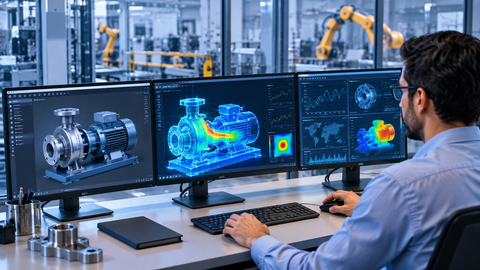
Digital Twin Technology
Digital twins create virtual models of physical generation assets to support testing, monitoring, and optimization.
Maintenance Approaches
Proper maintenance helps maximize equipment lifespan and reliability.
Preventive Maintenance
Routine inspections and maintenance activities performed according to scheduled plans.
Predictive Maintenance
Uses operational data and analytics to identify potential failures before they occur.
Condition-Based Maintenance
Maintenance decisions are based on actual equipment condition rather than fixed schedules.
Reliability-Centered Maintenance
Focuses maintenance efforts on the most critical equipment and operational functions.
Benefits and Advantages
Modern power plant equipment provides numerous benefits:
- Reliable electricity generation
- Improved operational efficiency
- Enhanced power quality
- Better asset management
- Reduced operational disruptions
- Increased infrastructure resilience
- Improved monitoring capabilities
- Enhanced safety performance
- Greater automation
- Better environmental performance
- Improved utility analytics
- Support for grid modernization
Industry Applications
Thermal Power Plants
Utilize boilers, steam turbines, generators, condensers, and cooling systems.
Hydroelectric Facilities
Depend on water turbines, generators, transformers, and monitoring technologies.
Nuclear Power Plants
Use reactors, steam generators, turbines, cooling systems, and advanced safety infrastructure.
Wind Energy Facilities
Rely on wind turbines, generators, power converters, and intelligent monitoring systems.
Solar Power Facilities
Use photovoltaic modules, inverters, transformers, and energy management technologies.
Industrial Power Stations
Support manufacturing and processing operations through dedicated generation assets.
Utility Control Centers
Manage generation assets through intelligent monitoring systems and utility analytics.
Smart Energy Infrastructure
Uses advanced automation and monitoring technologies to improve operational performance.
Real-World Examples and Applications
Example: Thermal Power Generation
A thermal facility uses boilers to produce steam that drives turbines connected to generators. The generated electricity is transmitted through transformers into the grid.
Example: Hydroelectric Generation
Water flowing through a dam rotates hydroelectric turbines, which drive generators to produce electricity.
Example: Wind Energy Facility
Wind turbines capture kinetic energy from moving air and convert it into electrical energy.
Example: Nuclear Power Facility
A nuclear station uses reactors and steam generators to produce steam that drives turbines connected to electrical generators.
Example: Solar Power Plant
Photovoltaic modules convert sunlight into electricity, which is processed through inverters and transformers before grid connection.
Example: Combined Cycle Facility
A combined cycle plant uses both gas turbines and steam turbines to improve overall energy conversion efficiency.
Important Factors to Consider
When evaluating power plant equipment, organizations should consider:
- Equipment efficiency
- Operational reliability
- Environmental conditions
- Infrastructure compatibility
- Safety requirements
- Regulatory compliance
- Maintenance needs
- Scalability
- Grid integration requirements
- Long-term performance objectives
Common Challenges and Solutions
| Challenge | Impact | Solution |
|---|---|---|
| Equipment Wear | Reduced Efficiency | Predictive Maintenance |
| Excessive Heat | Performance Loss | Advanced Cooling Systems |
| Operational Downtime | Reduced Generation | Continuous Monitoring |
| Electrical Faults | Reliability Issues | Protection Systems |
| Aging Infrastructure | Increased Risk | Equipment Modernization |
| Performance Variability | Reduced Stability | Automation Technologies |
Future Trends and Industry Insights
Artificial Intelligence Analytics
AI technologies help improve operational decision-making, forecasting, and maintenance planning.
Digital Twin Expansion
Digital twins are becoming increasingly important for infrastructure monitoring and optimization.
Smart Power Infrastructure
Intelligent equipment and automation technologies are supporting smarter electrical networks.
Advanced Energy Storage
Energy storage technologies improve operational flexibility and renewable energy integration.
Utility Automation
Automation technologies continue expanding across generation, transmission, and distribution networks.
Grid Modernization
Modernization initiatives are improving resilience, efficiency, and infrastructure performance.
Expert Insights
Power plant equipment is evolving rapidly as the energy sector embraces digitalization, automation, and intelligent monitoring. Modern facilities increasingly rely on advanced technologies that improve asset performance, operational efficiency, and infrastructure resilience.
As electricity demand grows and energy systems become more complex, power generation facilities will continue adopting smart technologies that support reliable and sustainable electricity production.
Key Takeaways
- Power plant equipment converts energy into electrical power.
- Turbines and generators are core generation assets.
- Boilers, transformers, and cooling systems support power generation.
- Automation technologies improve operational efficiency.
- Predictive maintenance enhances reliability.
- SCADA and DCS platforms improve monitoring and control.
- Smart power infrastructure supports grid modernization.
- Future facilities will increasingly utilize intelligent technologies.
Frequently Asked Questions (FAQ)
What is power plant equipment?
Power plant equipment includes machinery and systems used to generate, control, and distribute electricity.
What equipment is used in a power plant?
Common equipment includes turbines, generators, boilers, transformers, cooling systems, switchgear, and monitoring platforms.
What is the role of a turbine?
A turbine converts energy from steam, gas, water, or wind into mechanical power.
What is the function of a generator?
A generator converts mechanical energy into electrical energy.
What is a boiler?
A boiler heats water to produce steam used for electricity generation.
What is switchgear?
Switchgear controls, protects, and isolates electrical equipment within power systems.
What is a condenser?
A condenser converts steam back into water during thermal power generation.
What is a heat exchanger?
A heat exchanger transfers thermal energy between fluids to improve efficiency.
What is grid synchronization?
Grid synchronization ensures generated electricity matches grid operating requirements.
What is a combined cycle power plant?
A combined cycle facility uses both gas and steam turbines to improve energy conversion efficiency.
What is SCADA?
SCADA is a monitoring and control platform used to supervise plant operations.
What is predictive maintenance?
Predictive maintenance uses operational data to identify potential equipment failures before they occur.
Why are cooling towers important?
Cooling towers remove excess heat and help maintain safe operating temperatures.
What are generation assets?
Generation assets include turbines, generators, transformers, and related power generation equipment.
What is utility automation?
Utility automation uses intelligent technologies to improve operational control and efficiency.
How do transformers work?
Transformers adjust voltage levels for efficient transmission and distribution.
Why is maintenance important?
Maintenance helps improve reliability, safety, efficiency, and equipment lifespan.
What is the future of power plant equipment?
Future equipment will increasingly incorporate automation, artificial intelligence, digital twins, advanced monitoring, and energy storage technologies.
Conclusion
Power plant equipment forms the backbone of modern electricity generation infrastructure. Components such as turbines, generators, boilers, transformers, cooling systems, and automation platforms work together to convert energy into reliable electrical power.
As the energy industry continues to modernize, advanced monitoring technologies, utility automation, predictive maintenance, and smart power infrastructure are transforming how generation assets operate. Understanding these technologies provides valuable insight into the future of power generation systems, grid modernization, and sustainable energy development.