Smart Lawn Mowers: Technologies, Features and Industry Insights
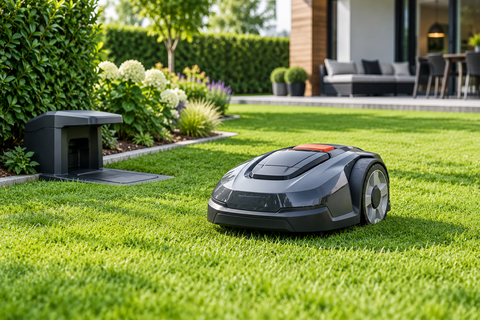
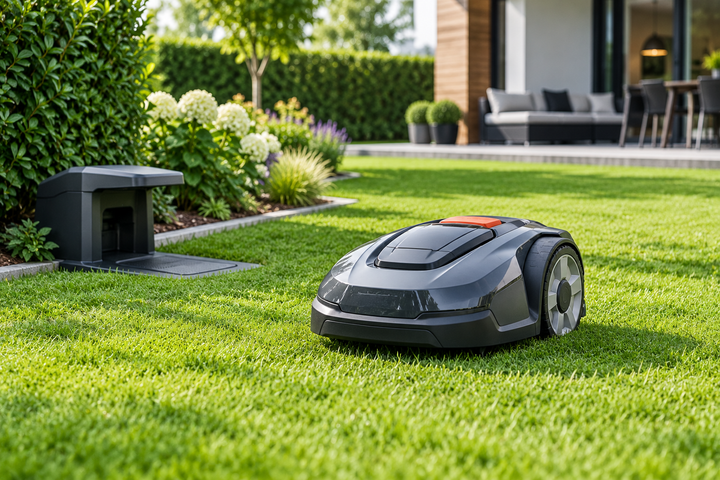
Smart lawn mowers are transforming the way residential, commercial, and institutional landscapes are maintained.
By combining automation, sensors, connectivity, and intelligent navigation technologies, these machines can manage lawn care with minimal manual intervention.
As smart home technologies continue to expand, smart lawn mowers have become an increasingly important part of modern outdoor maintenance. They help automate repetitive tasks, improve mowing consistency, and support efficient lawn management.
Understanding how smart lawn mowers work, their key features, applications, benefits, and future developments can help readers gain valuable insight into this rapidly evolving technology.
Quick Facts Table
| Topic | Purpose | Key Technologies | Main Benefits | Common Applications |
|---|---|---|---|---|
| Smart Lawn Mowers | Automated lawn maintenance | GPS Navigation, Sensors, Connectivity, Automation Systems, Mobile Apps | Consistent mowing, reduced manual effort, improved efficiency | Residential lawns, commercial properties, parks, educational campuses, recreational facilities |
What Are Smart Lawn Mowers?
Smart lawn mowers are automated lawn maintenance machines that use intelligent technologies to navigate, monitor, and maintain grass areas with limited human involvement.
Unlike traditional lawn mowers, smart models use sensors, positioning systems, mapping technologies, and connected platforms to perform mowing tasks efficiently and safely. Many models can operate on predefined schedules and adapt to changing lawn conditions.
Why Are Smart Lawn Mowers Important?
Maintaining healthy and attractive lawns often requires regular mowing and monitoring. Smart lawn mowers help automate these activities while improving consistency and efficiency.
Their growing popularity is driven by:
- Increased automation in outdoor maintenance
- Growth of smart home ecosystems
- Advances in battery technology
- Improved navigation systems
- Enhanced safety features
- Better operational efficiency
Smart Lawn Mower Facts
- Automation technologies continue to expand in residential and commercial landscaping.
- GPS-assisted navigation improves mowing accuracy.
- Connected lawn management platforms support remote monitoring.
- Sensor technologies enhance operational safety.
- Battery-powered models are becoming increasingly common.
- Intelligent scheduling helps optimize mowing cycles.
Major Smart Lawn Mower Technologies
- GPS Navigation Systems
- Boundary Mapping Technologies
- Obstacle Detection Sensors
- Artificial Intelligence Analytics
- Mobile App Connectivity
- Smart Scheduling Systems
- Remote Monitoring Platforms
- Weather Detection Technologies
- Battery Management Systems
- Autonomous Navigation Technologies
- Wireless Communication Systems
- Terrain Adaptation Technologies
Technology Comparison Table
| Technology | Function | Automation Level | Primary Benefit |
|---|---|---|---|
| GPS Navigation | Position Tracking | High | Accurate Coverage |
| Obstacle Detection | Safety Monitoring | High | Collision Prevention |
| Smart Scheduling | Automated Operation | High | Time Management |
| Mobile App Control | Remote Access | Medium | Operational Convenience |
| Weather Monitoring | Environmental Awareness | Medium | Improved Efficiency |
| Terrain Sensors | Surface Detection | High | Better Adaptability |
Understanding the Concept
Smart lawn mowers combine mechanical cutting systems with digital technologies that enable autonomous operation. These machines use sensors and navigation tools to determine their location, avoid obstacles, and follow mowing patterns.
Many models connect with mobile apps and cloud-based platforms, allowing users to monitor activity, adjust schedules, and review performance data remotely.
As outdoor automation continues to advance, smart lawn mowers are becoming a key part of intelligent property management.
What Is GPS Navigation in Smart Lawn Mowers?
GPS navigation helps smart lawn mowers determine their location and optimize mowing routes. This technology improves coverage accuracy and reduces unnecessary overlap.
What Is Obstacle Detection?
Obstacle detection systems use sensors to identify objects, people, pets, and landscape features. The mower can adjust its path to avoid collisions.
What Is Smart Scheduling?
Smart scheduling allows mowing activities to occur automatically based on predefined times, lawn conditions, or operational preferences.
What Is Remote Monitoring?
Remote monitoring enables users to track mower activity, receive notifications, and adjust settings through connected platforms and mobile apps.
Key Features and Core Components
Modern smart lawn mowers commonly include:
- Automated cutting systems
- GPS navigation technology
- Boundary management systems
- Obstacle detection sensors
- Mobile app integration
- Battery management systems
- Remote monitoring capabilities
- Smart scheduling tools
- Connectivity technologies
- Safety protection systems
- Weather awareness features
- Terrain adaptation technologies
Smart Lawn Mower Categories
Robotic Lawn Mowers
Robotic lawn mowers operate autonomously and use sensors and navigation technologies to maintain lawns with minimal human intervention.
GPS-Assisted Lawn Mowers
These models use satellite positioning technologies to improve route planning and mowing precision.
Connected Lawn Mowers
Connected models integrate with mobile apps and smart home ecosystems for enhanced monitoring and control.
Smart Lawn Mower Comparison Table
| Category | Navigation Method | Automation Level | Typical Environment |
|---|---|---|---|
| Robotic Lawn Mower | Sensors and Mapping | High | Residential Lawns |
| GPS-Assisted Model | GPS Technology | High | Large Properties |
| Connected Model | Smart Platforms | Medium to High | Residential and Commercial Areas |
How Smart Lawn Mowers Work
- The user defines mowing boundaries and operational settings.
- Sensors and navigation systems analyze the mowing area.
- The mower creates an operational route.
- Automated cutting systems begin mowing activities.
- Obstacle detection technologies monitor surroundings continuously.
- Connectivity platforms transmit operational information.
- Battery management systems optimize energy usage.
- The mower returns to its charging station when needed.
Benefits and Advantages
Smart lawn mowers provide several practical advantages:
- Consistent lawn maintenance
- Reduced manual effort
- Improved mowing efficiency
- Better scheduling flexibility
- Enhanced operational safety
- Automated route management
- Remote monitoring capabilities
- Improved coverage accuracy
- Quiet operation compared to many conventional models
- Better adaptability to changing conditions
- Support for smart property management
- Efficient battery utilization
Industry Applications
Residential Properties
Homeowners use smart lawn mowers to automate routine lawn maintenance.
Commercial Buildings
Commercial landscapes benefit from consistent mowing schedules and automated operation.
Educational Campuses
Large campuses use intelligent lawn management technologies to maintain outdoor spaces.
Public Parks
Parks and recreational facilities increasingly utilize automated maintenance equipment.
Hospitality Properties
Hotels and resorts use smart landscaping technologies to maintain outdoor environments.
Sports Facilities
Sports grounds utilize precision mowing technologies to support consistent field conditions.
Real-World Examples and Applications
Example: Residential Smart Lawn Care
A homeowner schedules a robotic lawn mower to maintain a backyard throughout the week. The mower follows automated routes while avoiding obstacles and returning to its charging station when necessary.
Example: Commercial Property Maintenance
A business campus uses connected lawn mowers that operate according to predefined schedules and provide operational updates through centralized management platforms.
Example: Educational Campus Landscaping
A university maintains large green spaces using GPS-assisted mowing technologies that improve coverage and operational efficiency.
Important Factors to Consider
When evaluating smart lawn mower technologies, consider:
- Lawn size requirements
- Terrain complexity
- Battery capacity
- Navigation accuracy
- Connectivity features
- Safety technologies
- Weather conditions
- Maintenance requirements
- Scalability needs
- Operational flexibility
Common Challenges and Solutions
| Challenge | Impact | Solution |
|---|---|---|
| Complex Terrain | Navigation Difficulties | Advanced Terrain Sensors |
| Obstacle Detection Issues | Operational Interruptions | Enhanced Sensor Systems |
| Battery Limitations | Reduced Runtime | Efficient Battery Management |
| Connectivity Interruptions | Monitoring Delays | Reliable Communication Systems |
| Boundary Accuracy | Coverage Gaps | GPS and Mapping Technologies |
Smart Lawn Mower Best Practices
- Define mowing boundaries carefully.
- Keep sensors clean and unobstructed.
- Monitor battery performance regularly.
- Update connected platforms when available.
- Remove large obstacles before operation.
- Review mowing schedules periodically.
- Inspect cutting components regularly.
- Monitor lawn conditions throughout the season.
Future Trends and Industry Insights
Several emerging technologies are expected to shape the future of smart lawn mowers.
Artificial Intelligence Integration
AI technologies may improve navigation, route optimization, and obstacle recognition capabilities.
Advanced Mapping Technologies
Improved mapping systems can enhance coverage accuracy and operational efficiency.
Smart Property Ecosystems
Future lawn mowers may integrate more closely with connected outdoor management technologies.
Enhanced Battery Technologies
Advances in battery systems are expected to support longer operational periods.
Predictive Maintenance
Intelligent monitoring platforms may help identify maintenance needs before operational issues occur.
Multi-Sensor Navigation
Future models are likely to combine multiple sensor technologies for greater reliability and adaptability.
Expert Insights
Smart lawn mowers represent a growing segment of outdoor automation technology. By combining intelligent navigation, sensor systems, connectivity, and automated operation, these machines help improve lawn maintenance efficiency while supporting modern property management practices.
As automation technologies continue to advance, smart lawn mowers are expected to become more capable, adaptable, and integrated with broader smart home and smart property ecosystems.
Key Takeaways
- Smart lawn mowers automate routine lawn maintenance.
- GPS and sensor technologies improve navigation accuracy.
- Obstacle detection enhances operational safety.
- Smart scheduling supports efficient lawn management.
- Connected platforms enable remote monitoring.
- Battery-powered systems support autonomous operation.
- Advanced mapping technologies improve coverage.
- Future developments will likely expand automation capabilities.
Frequently Asked Questions (FAQ)
What is a smart lawn mower?
A smart lawn mower is an automated lawn maintenance machine that uses sensors, navigation technologies, and connectivity features to perform mowing tasks.
How do smart lawn mowers work?
They use navigation systems, sensors, automation technologies, and connected platforms to operate autonomously.
What is GPS navigation in a smart lawn mower?
GPS navigation helps determine location and optimize mowing routes.
What is obstacle detection?
Obstacle detection identifies objects and adjusts mower movement to avoid collisions.
Can smart lawn mowers operate automatically?
Yes, many models support automated scheduling and autonomous operation.
What are connected lawn mowers?
Connected lawn mowers integrate with mobile apps and monitoring platforms for remote management.
Are smart lawn mowers suitable for large properties?
Some GPS-assisted models are designed for larger lawns and landscapes.
What is smart scheduling?
Smart scheduling allows automated mowing according to predefined times and conditions.
What role do sensors play?
Sensors support navigation, safety monitoring, obstacle detection, and terrain adaptation.
What is remote monitoring?
Remote monitoring allows users to track mower activity and operational status through connected platforms.
What technologies improve mowing accuracy?
GPS navigation, mapping systems, and intelligent route planning technologies improve accuracy.
What is the future of smart lawn mowers?
Future developments are expected to include artificial intelligence, advanced mapping, predictive maintenance, and enhanced automation capabilities.
Conclusion
Smart lawn mowers combine automation, connectivity, navigation systems, and intelligent sensors to modernize lawn maintenance. These technologies support efficient operation, improved coverage, enhanced safety, and greater convenience across residential, commercial, and institutional environments.
As outdoor automation continues to evolve, smart lawn mowers are expected to play an increasingly important role in intelligent property management. Understanding their technologies, applications, benefits, and future developments provides valuable insight into one of the most innovative areas of modern landscaping technology.