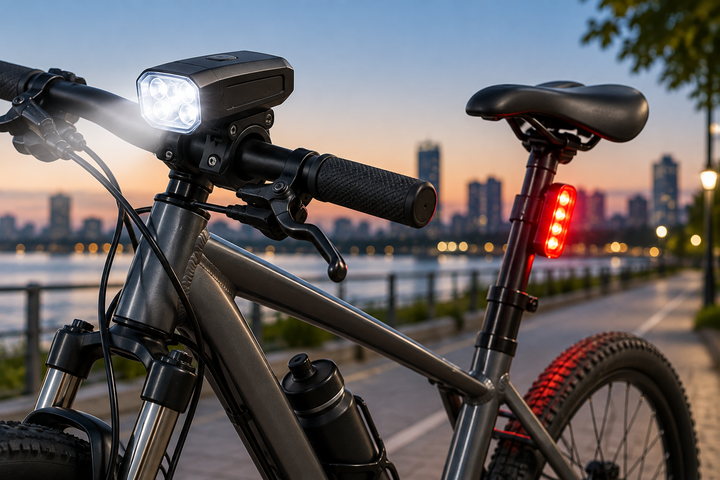
Rechargeable Bicycle Lights: Features, Safety and Technology Insights
Rechargeable bicycle lights have become an important part of modern cycling.
Whether riding in urban areas, on rural roads, or along recreational trails, proper lighting helps improve visibility and awareness during low-light conditions.
Unlike traditional battery-powered lights, rechargeable bicycle lights use built-in rechargeable batteries that can be charged multiple times. Advances in lighting technology, battery efficiency, and smart features have made these devices more reliable and practical for everyday use.
Understanding how rechargeable bicycle lights work, their features, benefits, and applications can help cyclists make informed decisions about bicycle safety and visibility.
Quick Facts Table
| Topic | Purpose | Key Features | Main Benefits | Common Applications |
|---|---|---|---|---|
| Rechargeable Bicycle Lights | Improve rider visibility and awareness | LED technology, rechargeable batteries, multiple lighting modes, waterproof designs | Enhanced visibility, reduced battery waste, convenient charging | Commuting, recreational cycling, mountain biking, road cycling |
What Are Rechargeable Bicycle Lights?
Rechargeable bicycle lights are lighting devices designed for bicycles that use rechargeable batteries instead of disposable batteries. They typically use energy-efficient LED technology to provide illumination for both the rider and surrounding road users.
These lights can be mounted on the front and rear of a bicycle and are commonly charged through USB connections or dedicated charging systems.
Why Are Rechargeable Bicycle Lights Important?
Visibility plays a significant role in cycling safety. Bicycle lights help riders see obstacles, road markings, and changing conditions while also making cyclists more visible to pedestrians and motorists.
Rechargeable lighting systems provide a practical alternative to disposable battery lights because they can be recharged repeatedly and often include advanced brightness controls and safety features.
Rechargeable Bicycle Light Facts
- LED technology has become the standard lighting solution for modern bicycle lights.
- Rechargeable battery systems help reduce disposable battery usage.
- Waterproof designs support operation in various weather conditions.
- Smart brightness controls improve battery efficiency.
- Lightweight designs enhance rider convenience.
- USB charging compatibility is increasingly common.
- Advanced optics improve light distribution and visibility.
Understanding the Concept
Bicycle lights serve two primary purposes. Front lights illuminate the riding path, while rear lights help make cyclists visible from behind.
Rechargeable bicycle lights combine efficient LED illumination with rechargeable energy storage systems. Many models include adjustable brightness levels, flashing modes, battery indicators, and weather-resistant construction.
These technologies help cyclists adapt to different riding environments and visibility conditions.
Major Types of Rechargeable Bicycle Lights
- Front Bicycle Lights
- Rear Bicycle Lights
- Combination Light Sets
- Commuter Bicycle Lights
- Road Cycling Lights
- Mountain Bike Lights
- Helmet-Mounted Lights
- Daytime Running Lights
- High-Output Performance Lights
- Smart Connected Bicycle Lights
Bicycle Light Categories Table
| Light Category | Primary Function |
|---|---|
| Front Lights | Illuminate the riding path |
| Rear Lights | Increase rear visibility |
| Combination Sets | Front and rear visibility |
| Helmet Lights | Improve rider visibility |
| Daytime Running Lights | Visibility during daylight |
| Trail Lights | Illumination for off-road cycling |
Key Features and Core Components
Modern rechargeable bicycle lights often include:
- LED light sources
- Rechargeable lithium battery systems
- USB charging capability
- Multiple brightness settings
- Flashing safety modes
- Waterproof housings
- Battery level indicators
- Adjustable mounting brackets
- Wide-angle optics
- Lightweight construction
- Smart power management
- Quick-release mounting systems
Types Comparison Table
| Light Type | Brightness Range | Typical Use | Battery Duration |
|---|---|---|---|
| Front Light | Medium to High | Road visibility | Moderate to Long |
| Rear Light | Low to Medium | Visibility to others | Long |
| Trail Light | High | Off-road riding | Moderate |
| Helmet Light | Medium | Directional lighting | Moderate |
| Daytime Running Light | Medium | Daytime visibility | Long |
What Is a Front Bicycle Light?
A front bicycle light is mounted on the handlebar or front frame and illuminates the rider's path. It helps cyclists identify obstacles, turns, road conditions, and potential hazards.
What Is a Rear Bicycle Light?
A rear bicycle light is mounted behind the rider and improves visibility for approaching traffic and other road users.
What Is LED Bicycle Lighting?
LED bicycle lighting uses light-emitting diode technology to provide bright illumination while consuming relatively little power. LED systems have become widely used because of their efficiency and durability.
What Is a Bicycle Light Beam Pattern?
A beam pattern describes how light is distributed across the riding area. Well-designed beam patterns improve visibility without creating excessive glare.
How Rechargeable Bicycle Lights Work
- A rechargeable battery stores electrical energy.
- The rider charges the battery using a USB or charging system.
- The battery supplies power to LED light sources.
- Internal electronics regulate brightness and power consumption.
- Optics direct light toward the desired area.
- Lighting modes allow users to adjust illumination levels.
- Battery management systems monitor power usage and charging status.
Benefits and Advantages
Rechargeable bicycle lights provide several practical advantages.
- Improved rider visibility
- Enhanced awareness of surroundings
- Reduced disposable battery waste
- Convenient charging options
- Multiple lighting modes
- Consistent illumination performance
- Lightweight construction
- Weather-resistant designs
- Better long-term usability
- Improved energy efficiency
- Flexible mounting options
- Suitable for various cycling activities
Industry Applications
Urban Commuting
Cyclists use rechargeable lights to improve visibility during daily travel.
Road Cycling
Road riders benefit from powerful front lights and visibility-focused rear lighting.
Mountain Biking
Off-road cyclists often use higher-output lighting systems for trail navigation.
Recreational Cycling
Casual riders use rechargeable lights for evening rides and improved visibility.
Cycling Events
Organized cycling activities frequently utilize visibility-enhancing lighting systems.
Delivery and Transportation Cycling
Cyclists involved in transportation activities often depend on reliable lighting solutions during varying conditions.
Real-World Examples and Applications
Example: Daily Commuter
A cyclist traveling to work during early morning hours uses a front light to illuminate the road and a rear light to improve visibility.
Example: Weekend Trail Rider
A mountain biker uses a high-output rechargeable light to navigate uneven terrain and wooded trails.
Example: Urban Night Ride
A recreational rider uses flashing rear lighting and medium-brightness front lighting while cycling through city streets.
Important Factors to Consider
Before selecting a bicycle lighting system, consider:
- Brightness requirements
- Riding environment
- Battery duration
- Charging convenience
- Waterproof rating
- Mounting compatibility
- Beam pattern design
- Weight
- Durability
- Visibility needs
Common Challenges and Solutions
| Challenge | Impact | Solution |
|---|---|---|
| Limited Battery Duration | Reduced lighting time | Efficient power management |
| Weather Exposure | Performance concerns | Waterproof construction |
| Improper Mounting | Reduced visibility | Secure mounting systems |
| Inadequate Brightness | Lower visibility | Appropriate brightness selection |
| Charging Neglect | Unexpected battery depletion | Routine charging schedule |
Bicycle Light Best Practices
- Charge lights regularly.
- Check battery status before riding.
- Use front and rear lights together.
- Clean lenses periodically.
- Secure mounting brackets properly.
- Select brightness levels suitable for conditions.
- Test lighting systems before longer rides.
- Maintain visibility from multiple angles.
- Inspect charging ports for debris.
- Follow local cycling regulations.
Safety Considerations
Proper lighting contributes to safer cycling experiences.
- Maintain clear visibility.
- Position lights correctly.
- Avoid directing excessive glare toward others.
- Use flashing modes appropriately.
- Ensure lights remain securely mounted.
- Monitor battery levels during extended rides.
Future Trends and Industry Insights
Several emerging technologies are influencing bicycle lighting systems.
Smart Connected Lighting
Connected lighting systems may integrate with mobile apps and cycling devices.
Adaptive Brightness Control
Future lights may automatically adjust brightness based on environmental conditions.
Enhanced Battery Technology
Battery improvements continue to support longer operating durations and faster charging.
Integrated Safety Systems
Advanced lighting systems may work alongside sensors and visibility technologies.
Lightweight Materials
Manufacturers continue exploring lighter and more durable construction materials.
Improved Optics
Advances in optical design are improving light distribution and efficiency.
Expert Insights
Rechargeable bicycle lights have evolved significantly through advances in LED technology, battery performance, and intelligent power management. Modern systems provide greater convenience, improved visibility, and more flexible operating modes than earlier lighting designs.
As cycling continues to grow as a transportation and recreational activity, lighting technologies are expected to become increasingly efficient, connected, and adaptable to varying riding conditions.
Key Takeaways
- Rechargeable bicycle lights improve cyclist visibility and awareness.
- LED technology provides efficient illumination.
- Front and rear lights serve different safety functions.
- Rechargeable batteries reduce dependence on disposable batteries.
- Waterproof designs support various weather conditions.
- Smart features improve usability and efficiency.
- Proper mounting enhances visibility.
- Future systems may include adaptive and connected technologies.
Frequently Asked Questions (FAQ)
What are rechargeable bicycle lights?
Rechargeable bicycle lights are bicycle lighting devices powered by rechargeable batteries rather than disposable batteries.
How do rechargeable bicycle lights work?
They use rechargeable batteries to power LED light sources that provide illumination and visibility.
Why are bicycle lights important?
They improve visibility for cyclists and help riders see road conditions and obstacles.
What is LED bicycle lighting?
LED bicycle lighting uses efficient light-emitting diode technology for illumination.
Are rechargeable bicycle lights suitable for commuting?
Yes, many cyclists use rechargeable lights during daily commuting activities.
What is the difference between front and rear bicycle lights?
Front lights illuminate the path ahead, while rear lights improve visibility from behind.
What does waterproof rating mean?
A waterproof rating indicates the light's ability to resist water exposure during operation.
How often should bicycle lights be charged?
Charging frequency depends on battery capacity, usage duration, and brightness settings.
What is a flashing mode?
A flashing mode alternates light output patterns to increase visibility.
What is a beam pattern?
A beam pattern describes how light is distributed across the riding area.
Can rechargeable bicycle lights be used during daytime?
Yes, many cyclists use daytime running lights to improve visibility.
What factors affect battery duration?
Brightness level, battery capacity, temperature, and usage patterns all influence battery duration.
Are rechargeable bicycle lights used for mountain biking?
Yes, higher-output lighting systems are commonly used for trail riding and mountain biking.
What are smart bicycle lights?
Smart bicycle lights may include connected features, automatic brightness controls, and enhanced monitoring capabilities.
What is the future of bicycle lighting technology?
Future developments are expected to include smarter controls, improved battery systems, adaptive lighting, and enhanced visibility technologies.
Conclusion
Rechargeable bicycle lights are an important component of modern cycling safety and visibility. By combining rechargeable battery systems, LED technology, intelligent power management, and durable construction, these lighting systems help riders navigate a variety of environments more effectively.
As lighting technologies continue to evolve, future bicycle lights are expected to become even more efficient, connected, and adaptable. Understanding their features, applications, and best practices can help cyclists make informed decisions while improving visibility and awareness during every ride.