Smart Ceiling Fans: Essential Technologies and Home Comfort Insights
Smart ceiling fans represent a modern evolution of traditional ceiling fans by combining airflow technology with intelligent controls, automation, and connectivity features.
These fans are designed to improve comfort, energy efficiency, and convenience while integrating with modern smart home environments.
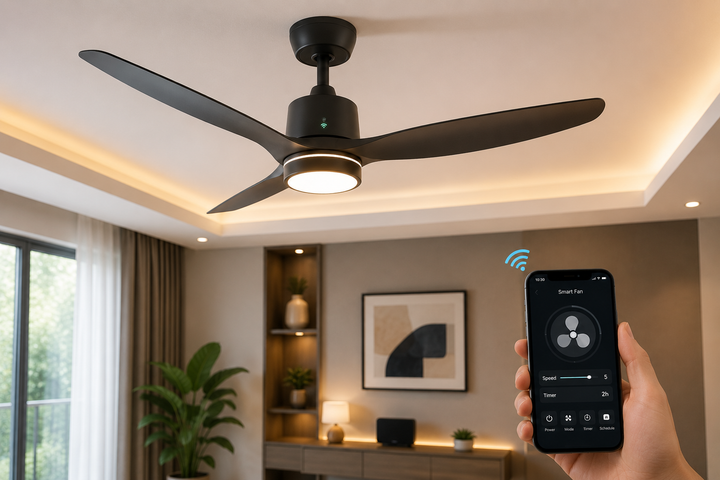
Unlike conventional fans that rely on wall regulators and manual controls, smart ceiling fans can be controlled through mobile apps, voice assistants, remote controls, and automated schedules. Many models also include BLDC motor technology, sensors, and energy-monitoring capabilities that help optimize performance. Smart fan technologies have become increasingly common in homes, apartments, offices, and commercial spaces as connected home technologies continue to expand.
Quick Facts Table
| Topic | Purpose | Key Features | Main Benefits | Common Applications |
|---|---|---|---|---|
| Smart Ceiling Fans | Improve airflow and comfort through intelligent control technologies | Wi-Fi connectivity, BLDC motors, app control, voice commands, sensors, automation | Energy efficiency, convenience, quiet operation, smart home integration | Homes, apartments, offices, smart buildings, commercial facilities |
What Are Smart Ceiling Fans?
Smart ceiling fans are advanced ceiling fans that incorporate digital communication technologies, intelligent controls, and automation features. These fans connect through Wi-Fi, Bluetooth, or smart home networks, allowing users to manage settings remotely using mobile apps or voice assistants.
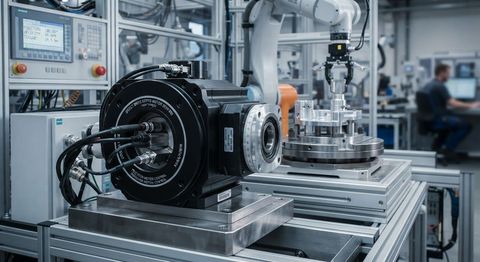
Many modern smart fans utilize Brushless Direct Current (BLDC) motors, which provide improved energy efficiency, quieter operation, and precise speed control compared to traditional motor designs.
Why Are Smart Ceiling Fans Important?
Ceiling fans operate for many hours each day in many households and workplaces. Smart technologies help improve operational efficiency while making fan control more convenient.
Their importance includes:
- Improved energy management
- Enhanced user convenience
- Better airflow customization
- Smart home integration
- Automated operation
- Reduced power consumption
- Improved comfort management
- Enhanced monitoring capabilities
Smart Ceiling Fan Facts
- Smart ceiling fans commonly use Wi-Fi or Bluetooth connectivity.
- Many models incorporate BLDC motor technology.
- Voice control compatibility is increasingly common.
- Automated scheduling features help optimize operation.
- Smart home integration continues to expand.
- Sensor-based control technologies improve user comfort.
- Mobile app management allows remote operation.
Understanding the Concept
A smart ceiling fan combines airflow technology with digital intelligence. Instead of simply turning on and off, these fans can automatically adjust their operation based on schedules, environmental conditions, occupancy, or user preferences.
The goal is to improve comfort while optimizing energy use. Smart ceiling fans are part of the broader trend toward connected devices and intelligent home automation systems.
Major Smart Ceiling Fan Technologies
- BLDC Motor Technology
- Wi-Fi Connectivity
- Bluetooth Connectivity
- Mobile App Control
- Voice Assistant Integration
- Temperature Sensors
- Humidity Sensors
- Automated Scheduling
- Smart Home Integration
- Energy Monitoring Systems
- Sleep Mode Functions
- Reverse Rotation Technology
- Intelligent Speed Control
- Occupancy-Based Automation
Technology Comparison Table
| Technology | Function | Convenience Level | Typical Application |
|---|---|---|---|
| Wi-Fi Connectivity | Remote Control | High | Smart Homes |
| Bluetooth Connectivity | Local Control | Medium | Apartments |
| BLDC Motors | Energy Efficiency | High | Residential Spaces |
| Voice Control | Hands-Free Operation | High | Connected Homes |
| Smart Sensors | Automated Adjustment | High | Intelligent Buildings |
| Scheduling Features | Automated Operation | Medium | Daily Use |
Key Features and Core Components
Modern smart ceiling fans commonly include:
- BLDC motor systems
- Wireless communication modules
- Remote-control capabilities
- Mobile application connectivity
- Voice assistant compatibility
- Temperature monitoring sensors
- Humidity monitoring sensors
- Multiple speed settings
- Timer functions
- Scheduling capabilities
- Sleep modes
- Energy monitoring features
- Smart home integration platforms
Main Types of Smart Ceiling Fans
Wi-Fi Smart Ceiling Fans
These fans connect directly to wireless networks and can be controlled from virtually anywhere through compatible applications.
Bluetooth Smart Ceiling Fans
Bluetooth-enabled fans allow local wireless control without requiring an internet connection.
Voice-Controlled Smart Ceiling Fans
These models integrate with voice assistants and respond to spoken commands.
Sensor-Based Smart Ceiling Fans
Advanced models automatically adjust speed and operation based on environmental conditions such as temperature and humidity.
Smart Ceiling Fan Categories
| Category | Examples |
|---|---|
| Connectivity Technologies | Wi-Fi, Bluetooth |
| Motor Technologies | BLDC Motors |
| Control Technologies | Mobile Apps, Remote Controls |
| Automation Features | Scheduling, Timers |
| Sensor Technologies | Temperature Sensors, Humidity Sensors |
| Smart Home Technologies | Voice Assistants, Connected Platforms |
How Smart Ceiling Fans Work
- The fan connects to a wireless network or communication platform.
- Users configure settings through an app, remote, or voice assistant.
- Sensors collect environmental information when available.
- The onboard controller processes commands and sensor data.
- The motor adjusts speed, direction, or lighting settings.
- Automated schedules control operation at selected times.
- Continuous monitoring helps maintain preferred comfort settings.
This intelligent process allows the fan to adapt to changing conditions and user preferences.
What Is a BLDC Motor?
A BLDC motor is a Brushless Direct Current motor that uses electronic controls instead of traditional mechanical brushes. This design improves efficiency, reduces noise, and enables precise speed adjustments. Many smart ceiling fans use BLDC motors because they support intelligent control features and lower energy consumption.
What Is Voice Control in Smart Ceiling Fans?
Voice control allows users to operate a fan using spoken commands through compatible voice assistant platforms. Common functions include speed adjustment, power control, and timer activation.
What Is Smart Fan Automation?
Smart fan automation refers to automatic adjustments based on schedules, occupancy patterns, temperature readings, or predefined settings. Automation reduces the need for manual control and supports consistent comfort.
Benefits and Advantages
Smart ceiling fans provide several practical advantages:
- Improved energy efficiency
- Greater convenience
- Remote operation capabilities
- Quiet performance
- Automated scheduling
- Personalized airflow settings
- Better smart home integration
- Enhanced user comfort
- Flexible control options
- Improved operational visibility
- Extended inverter compatibility
- Advanced speed control capabilities
Industry Applications
Residential Homes
Smart ceiling fans help improve comfort and convenience through connected controls and automation.
Apartments
Wireless control and scheduling features support efficient operation in compact living spaces.
Offices
Quiet operation and intelligent controls help maintain comfortable work environments.
Smart Buildings
Connected building systems often integrate smart ceiling fans into broader automation platforms.
Educational Facilities
Learning environments can benefit from automated airflow management and energy-efficient operation.
Commercial Spaces
Modern commercial facilities increasingly incorporate intelligent airflow technologies into building management systems.
Real-World Examples and Applications
Example: Smart Bedroom Automation
A homeowner configures a smart fan to gradually reduce speed during the night using sleep mode settings. The fan automatically adjusts airflow without requiring manual intervention.
Example: Home Office Comfort
An office worker uses voice commands to adjust fan speed while working, improving convenience during meetings and daily tasks.
Example: Smart Apartment Living
A connected apartment utilizes app-based controls to manage multiple smart devices, including ceiling fans, lighting systems, and environmental controls.
Important Factors to Consider
Several factors influence smart ceiling fan performance:
- Room size
- Airflow capacity
- Connectivity options
- Motor technology
- Smart home compatibility
- Sensor availability
- Installation requirements
- Operational noise levels
- Automation capabilities
- Long-term maintenance requirements
Common Challenges and Solutions
| Challenge | Impact | Solution |
|---|---|---|
| Connectivity Interruptions | Limited Remote Access | Stable Network Configuration |
| Complex Setup | Reduced Convenience | Guided Configuration Process |
| Compatibility Issues | Limited Integration | Platform Verification |
| Sensor Calibration Errors | Inaccurate Automation | Periodic Adjustments |
| User Learning Curve | Slower Adoption | Familiarization and Training |
Smart Ceiling Fan Best Practices
- Configure automation schedules carefully.
- Utilize appropriate speed settings for room size.
- Maintain stable network connectivity.
- Keep fan blades clean.
- Update connected apps regularly.
- Review energy-monitoring information when available.
- Use sleep modes for overnight comfort.
- Verify smart home compatibility before installation.
- Optimize sensor settings for local conditions.
- Monitor long-term performance periodically.
Future Trends and Industry Insights
Several emerging technologies are expected to shape the future of smart ceiling fans.
Artificial Intelligence Integration
AI-powered systems may improve automation through learning user preferences and environmental patterns.
Enhanced Sensor Technologies
Future fans may incorporate more advanced environmental sensing capabilities.
Smart Home Ecosystem Expansion
Deeper integration with connected home platforms is expected to improve interoperability.
Energy Monitoring Innovations
More detailed energy analysis capabilities may help users better understand electricity consumption.
Advanced Automation Features
Automation systems are expected to become increasingly adaptive and responsive.
Intelligent Climate Management
Smart fans may play a larger role in integrated indoor climate management strategies.
Expert Insights
Smart ceiling fans illustrate how everyday household technologies are becoming increasingly intelligent and connected. The combination of BLDC motor technology, wireless communication, automation, and sensor-based controls is transforming a traditional appliance into an active component of smart living environments.
As connected home technologies continue to evolve, smart ceiling fans are expected to play a greater role in comfort management, energy efficiency, and intelligent building operations.
Key Takeaways
- Smart ceiling fans combine airflow technology with intelligent controls.
- Wi-Fi and Bluetooth connectivity support remote management.
- BLDC motors improve efficiency and operational precision.
- Voice assistants enable hands-free operation.
- Automated scheduling improves convenience.
- Sensor technologies support adaptive performance.
- Smart home integration continues to expand.
- Future innovations may incorporate more advanced automation and analytics.
Frequently Asked Questions (FAQ)
What is a smart ceiling fan?
A smart ceiling fan is a connected fan that supports digital control, automation, and smart home integration.
How does a smart ceiling fan work?
It uses communication technologies, controllers, and sensors to manage operation through apps, remotes, or voice commands.
What is a BLDC motor?
A BLDC motor is an electronically controlled motor known for efficiency, quieter operation, and precise speed control.
Can smart ceiling fans connect to mobile apps?
Yes, many models support app-based management through Wi-Fi or Bluetooth connections.
What is voice-controlled fan technology?
Voice-controlled technology allows users to operate the fan using spoken commands through compatible voice assistants.
Do smart ceiling fans support automation?
Yes, many models include scheduling, timers, and sensor-based automation features.
What is sleep mode?
Sleep mode gradually adjusts fan speed during the night to maintain comfortable airflow.
What is reverse rotation technology?
Reverse rotation changes airflow direction and may help improve air circulation during different seasons.
Can smart ceiling fans integrate with smart homes?
Many smart fans are designed to work with connected home ecosystems.
What industries use smart ceiling fans?
Residential, commercial, educational, office, and smart building environments commonly utilize smart ceiling fan technologies.
What factors affect smart fan performance?
Motor design, airflow capacity, connectivity, sensor accuracy, and room size all influence performance.
What is the future of smart ceiling fans?
Future developments are expected to include advanced automation, improved sensors, AI integration, and enhanced smart home connectivity.
Conclusion
Smart ceiling fans combine traditional airflow technology with modern connectivity, automation, and intelligent controls. Through features such as BLDC motors, wireless communication, app management, voice commands, and smart sensors, these systems provide greater convenience, efficiency, and flexibility than conventional ceiling fans.
As smart home technologies continue to evolve, smart ceiling fans are expected to become increasingly sophisticated, supporting intelligent climate management, enhanced automation, and improved energy optimization across residential and commercial environments.